
These popular natural stones all reflect the trends in architectural aesthetics. Natural stone is an art gift from nature, a unique art form.
VOLAKS
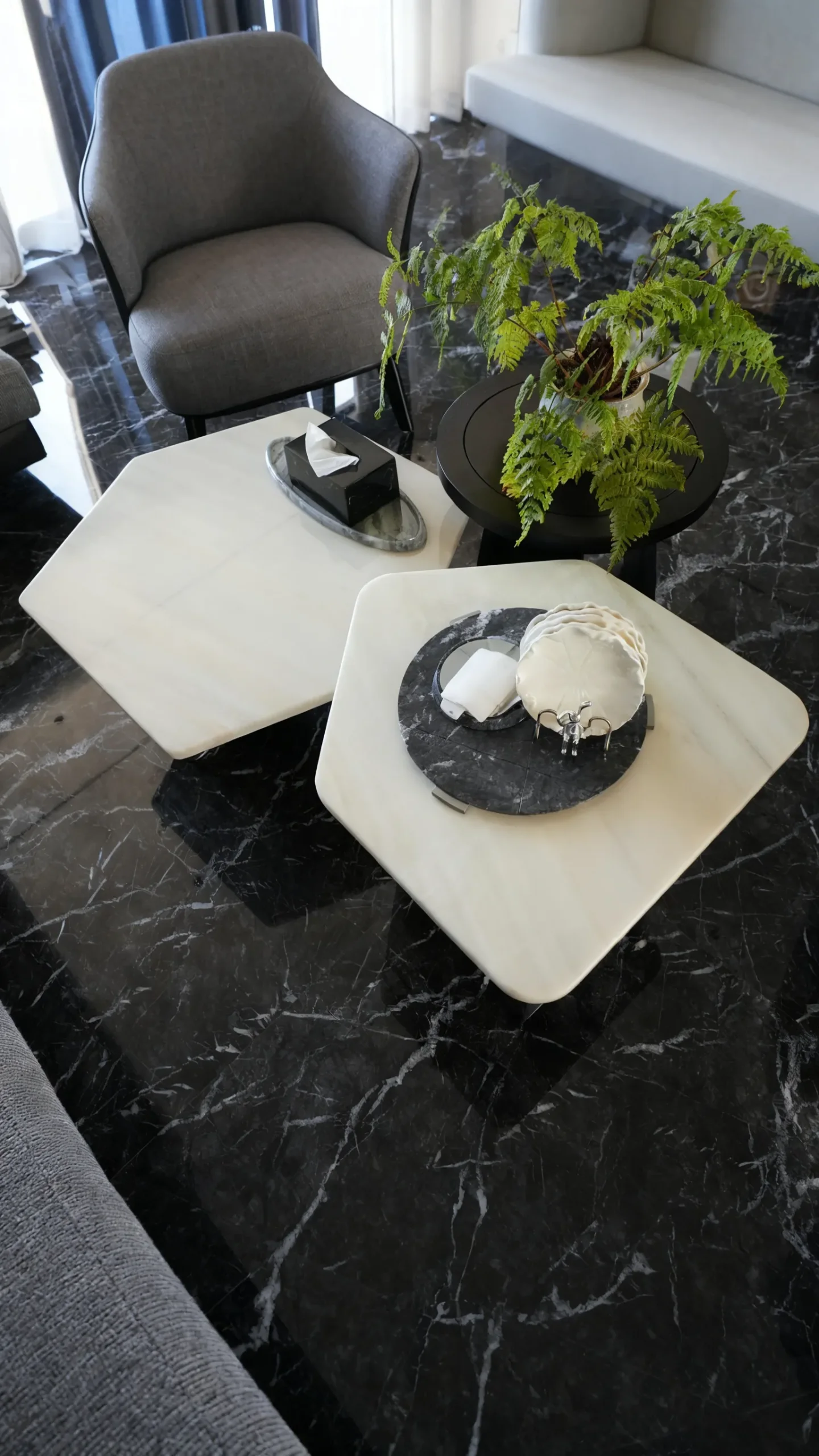
originating from Greece, is a natural marble with a multi-colored base and patterned veins, including light purplish-red or gray. The veins are relatively distinct, and the gloss is moderate. It is widely used for interior and exterior wall installations, a typical example being the walls of a canteen lobby in Beijing.
Jazz White, due to its elegant tone and clear veins, is best suited for interior wall installations. However, because it is white marble, its gloss may be affected after prolonged exposure to sunlight when used on exterior walls. Therefore, the following points should be noted:
- As a white stone, it is easily stained; it is best to apply a stain-resistant agent to the back of the stone.
- It is prone to deformation; if using curved slabs, it is best to install them as soon as possible after processing.
Dark Brown Mesh, originating from Spain, is a type of stone with a coffee-brown base color and white inclusions. It has a good gloss and is easily repaired with adhesive. It is widely used domestically and internationally in service counters, column heads, column bases, door frames, interior walls, floors, stair treads, and countertops in hotels, guesthouses, clubs, high-end office buildings, and banks.
Dark Brown Mesh
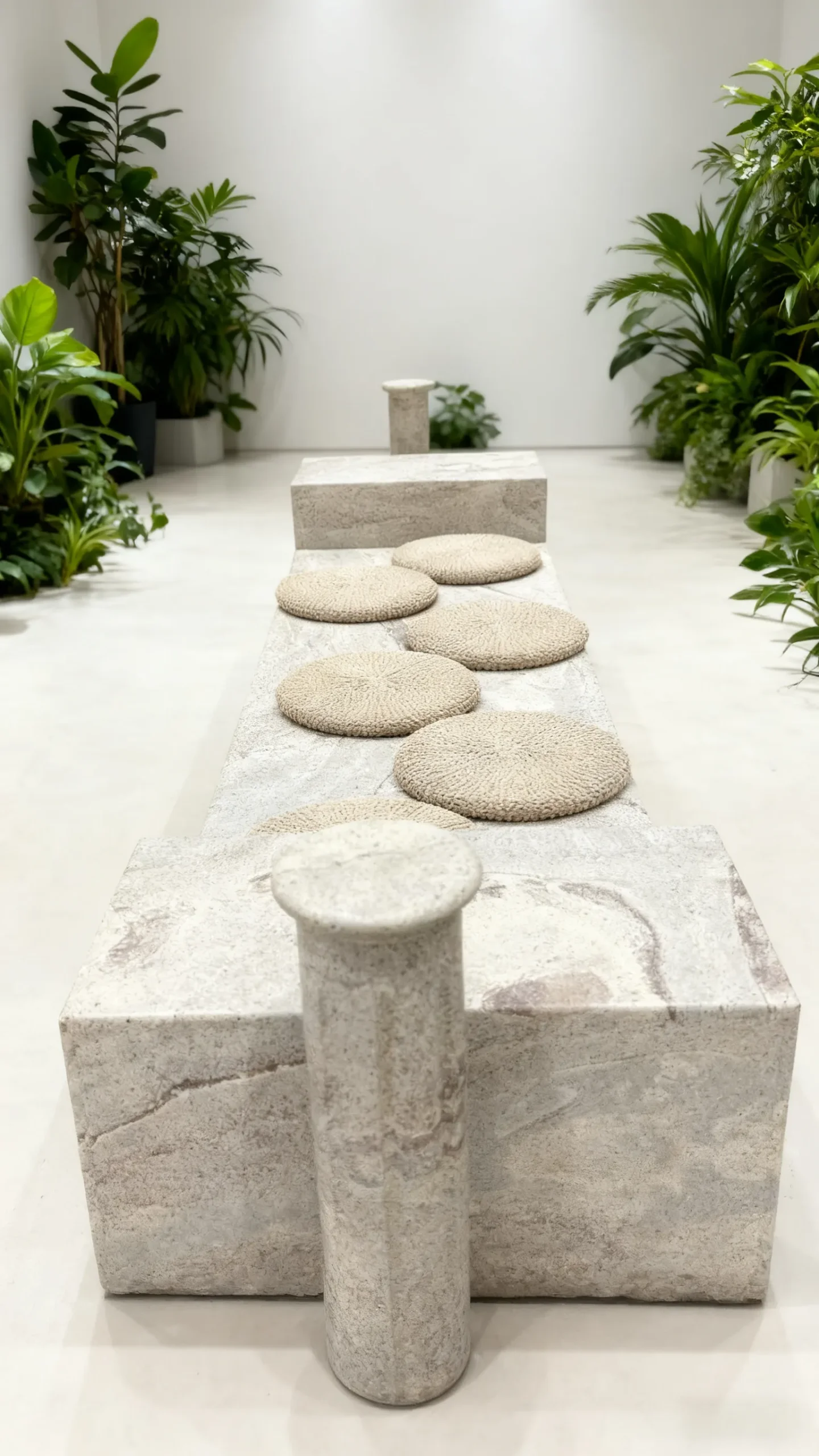
Dark Brown Mesh is also a classic stone with an early application. Ideally, the darker the color, the better, with minimal white streaks and inclusions.
Common defects of Dark Brown Mesh include:
- Significant color variations
- Large areas of white streaks and inclusions
- Prone to uneven coloring
- Yellow spots, red spots, and white patches on the surface
- Large areas of pores and severe mud-like substances on the surface, easily excavated by hand.
Due to these reasons, several points should be noted when using Dark Brown Mesh:
- It should not be used extensively on walls and floors, and due to its tendency to warp, the size of each slab should not be too large.
- Minor color differences and glue repairs are permissible.
Venus Galaxy
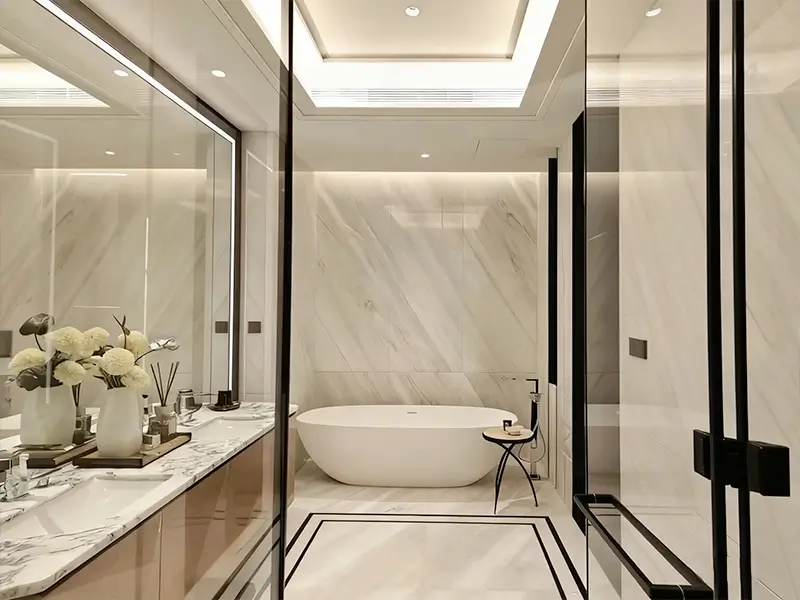
Originating in Greece, this stone, also known as Carrara White, has a white base color with few veins and gray striped patterns. It has a moderate gloss and is extremely difficult to repair with adhesives. The surface often has cracks and dark lines, requiring careful inspection during selection. Primarily used for interior wall installations, its pure white base and fewer veins are unmatched by other white stone varieties like Jazz White and Big Flower White, giving it a clean, crisp, and refreshing look. Major projects using this stone include the interior decoration of the Lanzhou Agricultural Bank, the Hangzhou Third People’s Hospital, and the Wuhan Jinjin Garden, demonstrating its widespread application and popularity. The following points should be noted when using this stone:
- Due to its whiter base color than ordinary white stone, it is most susceptible to staining; stain-resistant treatment is recommended.
- Its patterns often blend into the Carrara White, resulting in uneven distribution and the formation of patches, affecting its usability.
- This stone is prone to deformation; it is best to prepare it before installation and stack it, using biological pressure to reduce deformation.
Verdera Meggiato
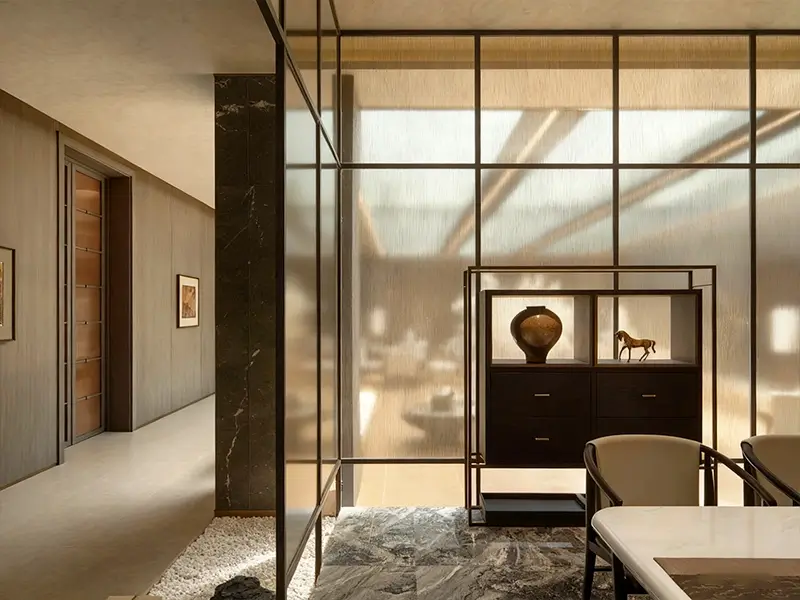
originating from Italy, is a natural marble-like stone with a dark green base color. It comes in two varieties: Green Root Veined Green and White Root Veined Green. It features fine veining and excellent gloss. It is widely used domestically and internationally in service counters, column heads, column bases, door frames, waistlines, and countertops in hotels, guesthouses, clubs, high-end office buildings, and banks.
Due to its delicate texture, excellent gloss, and early application, Veined Green is considered a very noble and elegant stone, regarded as a “precious” stone in the interior design industry. The following points should be noted when using Veined Green:
- Because Veined Green is brittle, prone to cracking, and highly absorbent, it is the most easily deformed of all stones. Therefore, it should not be used extensively on walls and floors, and each piece should not be too large.
- Due to its numerous cracks, this stone frequently breaks during processing, inevitably requiring adhesive repair. This is easily done, and the repair effect is generally acceptable.
Portoro
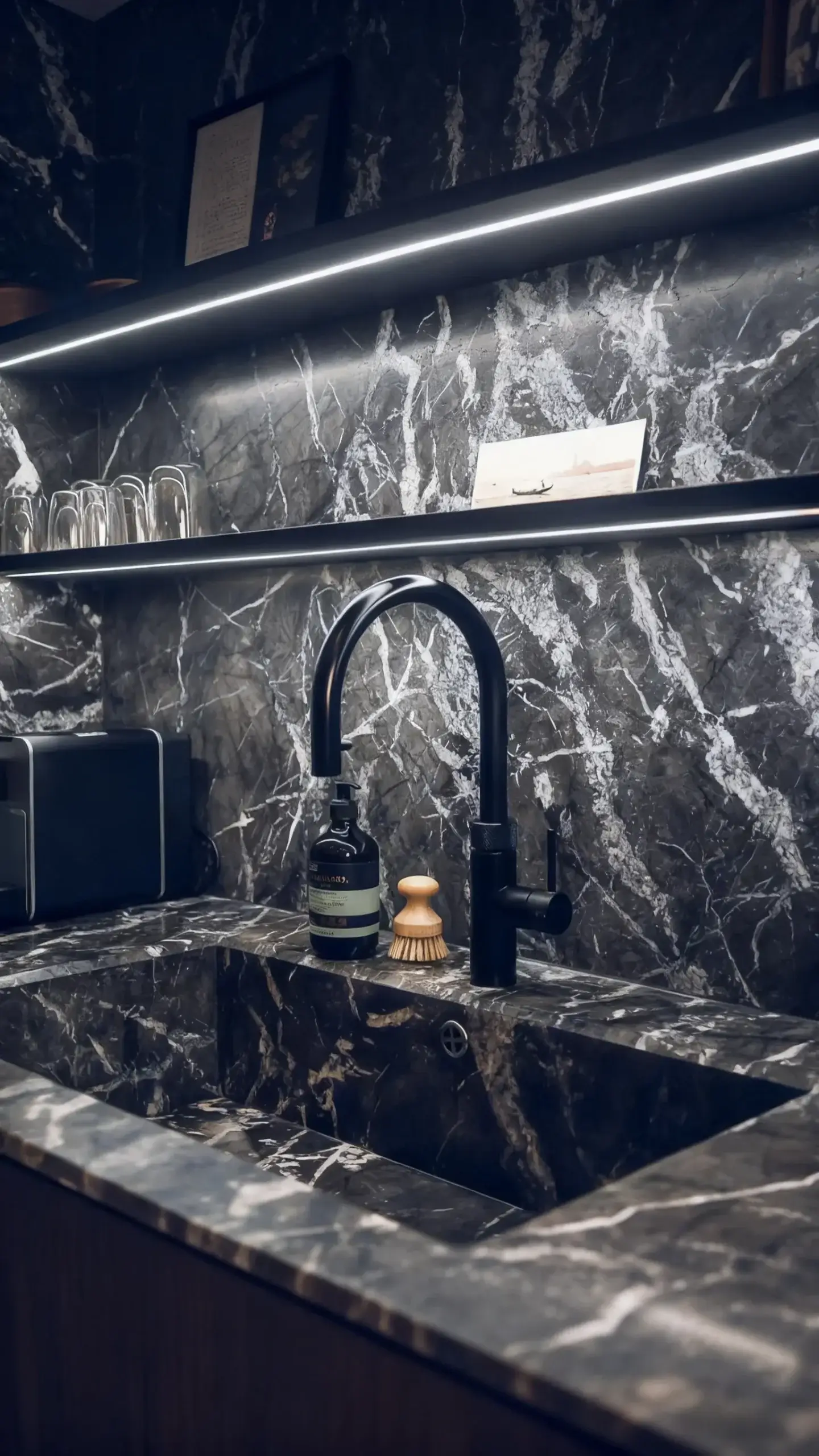
originating from Italy, is a natural marble primarily used for interior walls and decorative applications. Due to its limited production and stunning appearance, Portoro has always commanded a premium price. It features a black base with golden veins, fine lines, and a high gloss finish, exuding a unique sense of grandeur and elegance. However, the following points should be noted when using it:
- Significant differences in vein patterns (one with fine golden veins, the other with banded grayish-white) require careful transition and contrast during processing.
- Overly coarse or dense veins, color spots, and difficulty in utilization.
- Densely packed veins are not suitable for large-area application, as they can create a complex and heavy feeling.
Buxy Amber
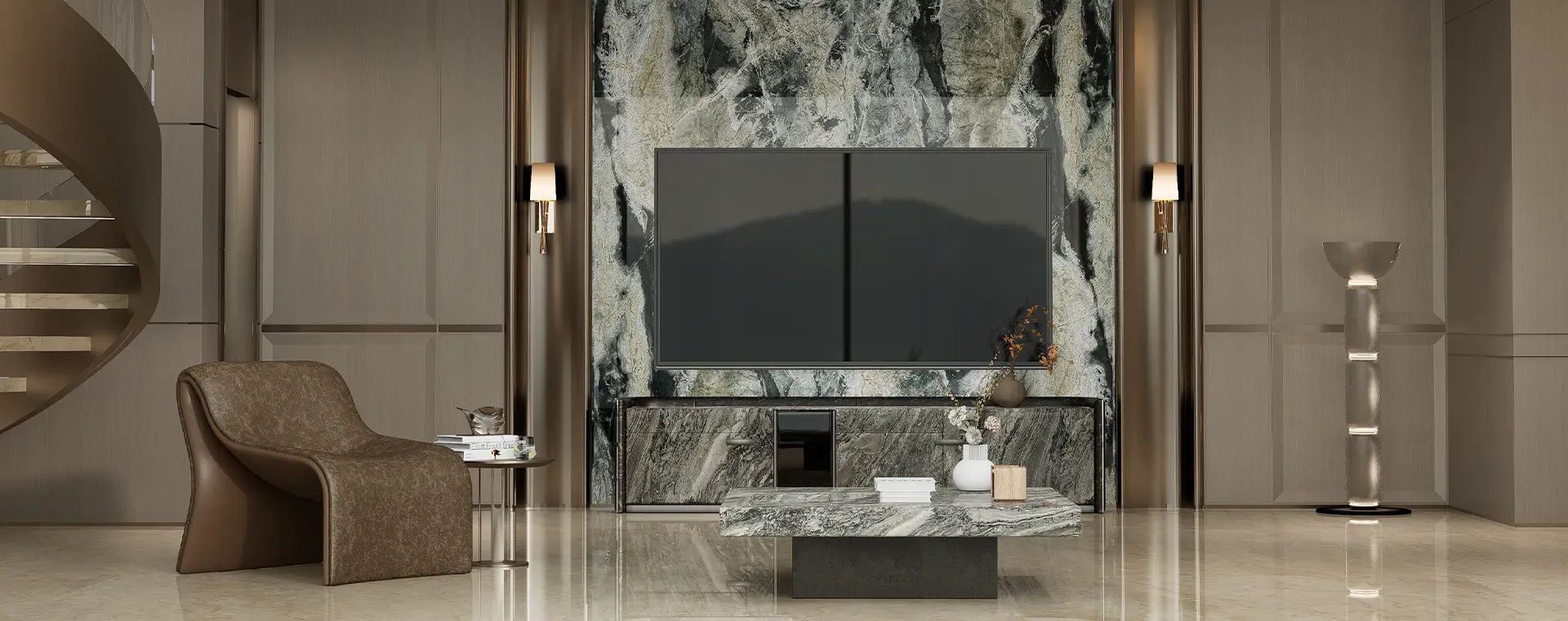
Originating in Spain. Primarily used for interior and exterior walls, this natural marble is frequently chosen by French designers and used extensively in French buildings, hence the name “French Red Sandstone.”
The modern trend towards rustic aesthetics has led to new applications of French Red Sandstone in design, namely, the use of flamed finishes. Because this material is harder and stronger than ordinary marble, it is less prone to breakage after flamed finishing.
Important considerations during use: Care should be taken to ensure a natural transition between light and dark colors during processing and installation.
Inpus Gold
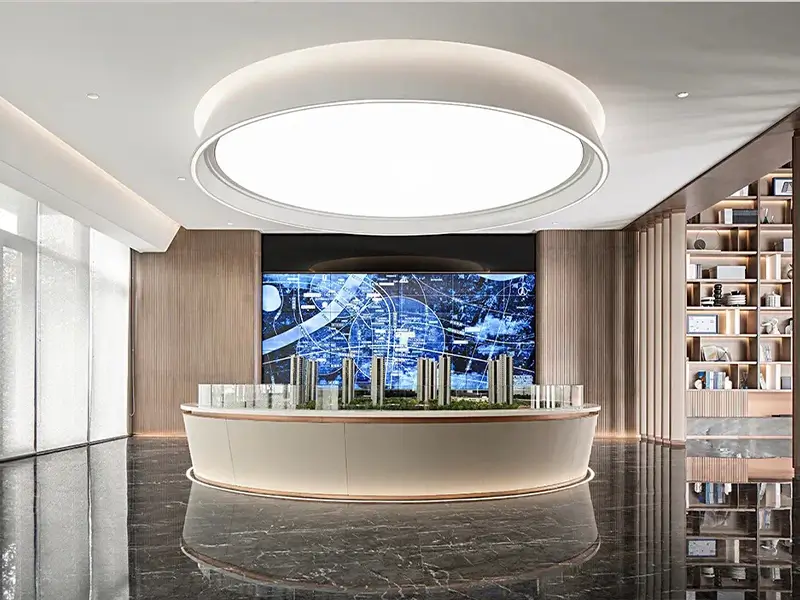
Originating in Pakistan, its English name is INPUS GOLD. This stone is a natural marble, primarily used for exterior walls, floors, and decorative applications. INPUS GOLD has a golden-yellow color and a moderate price. It is typically used with a polished finish. Due to its deep color, it is not suitable for large-area application.
Points to note during use:
- Significant color variations exist; ensure a natural color transition.
- It has a soft texture, is easily damaged, and is prone to deformation.
White Crystal
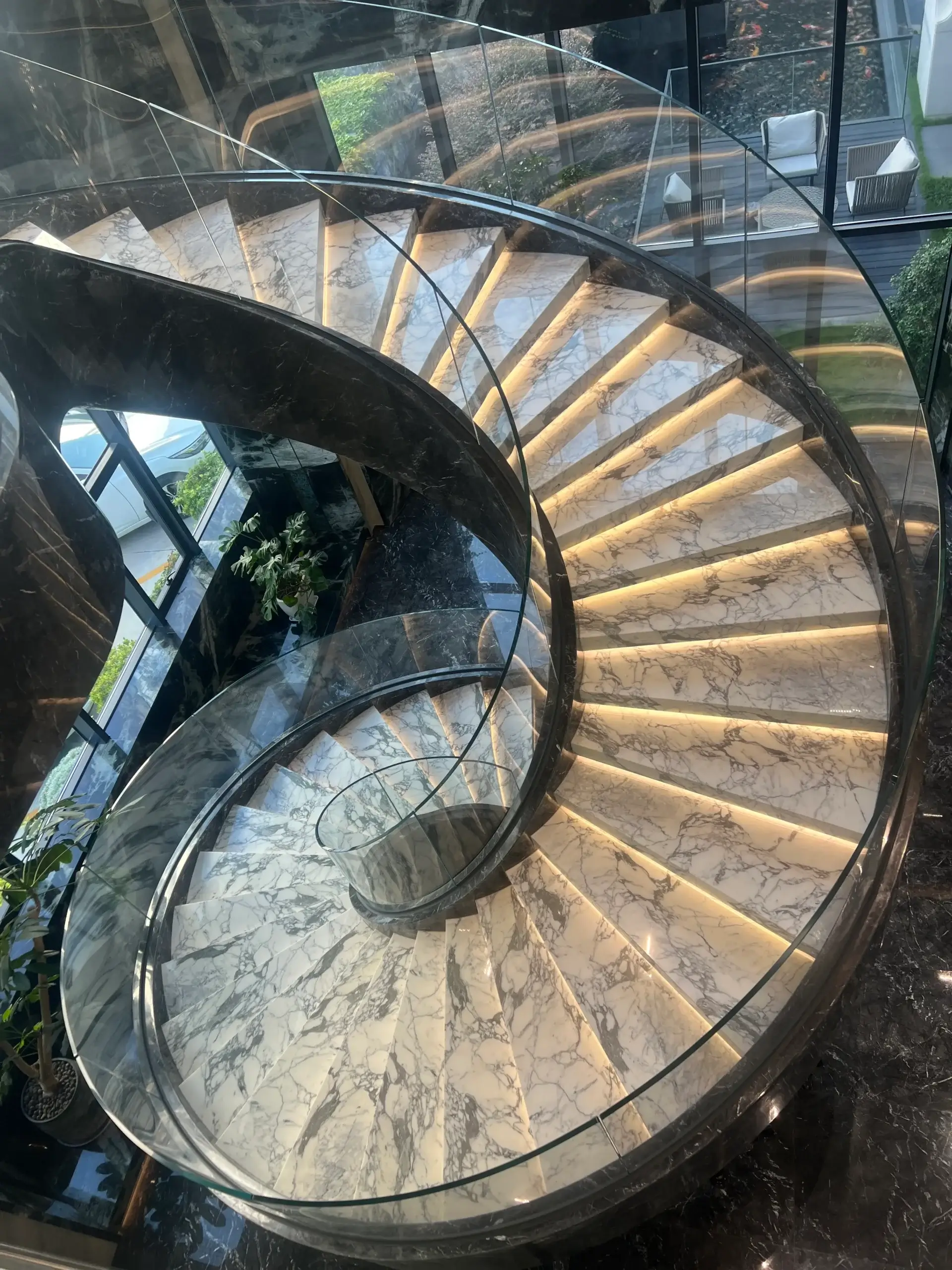
Originating from Greece, is pure white in color and priced in the high-end category of marble. Its hardness and flexural strength are similar to granite, but it is easily stained and generally used indoors. It should be avoided for flooring. If the design insists on using it, stain-resistant treatment is necessary, as it is poorly repaired with adhesives. When introducing this material to clients, it’s impeccably white, like jade, and without any flaws—it’s impossible to use white crystal in large areas.
Lymra Limestone
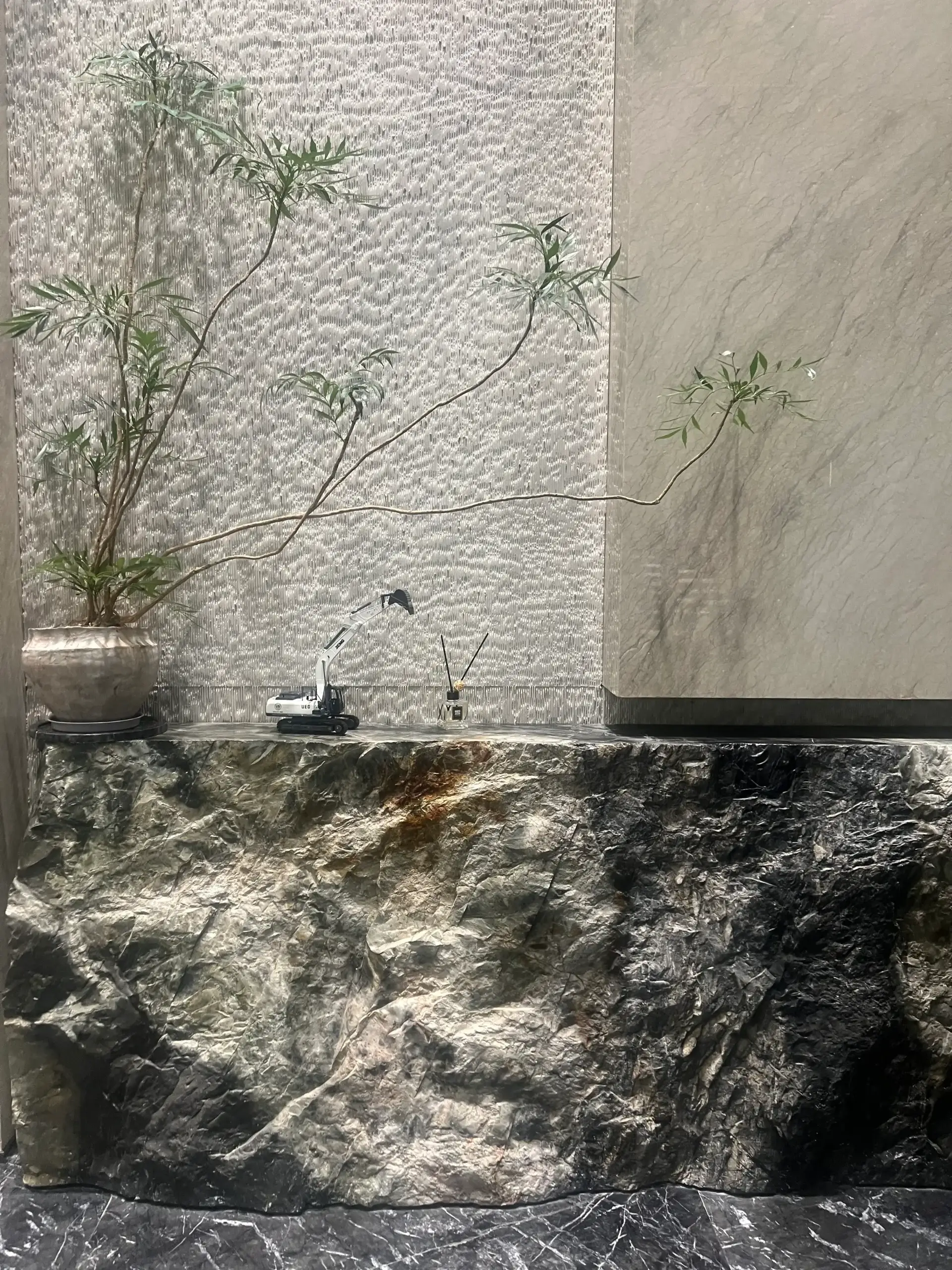
Lymra limestone can be categorized by origin, including French white sandstone, Italian white sandstone, Spanish white sandstone, and Turkish white sandstone. However, Turkish white sandstone is preferred due to its lower price and better quality.
Turkish white sandstone has a white base color, and the processed surface generally meets the requirements for texture, except for some individual pieces. It is easily contaminated, so protective measures must be taken when using it in finished products. It can be used extensively for wall surfaces.