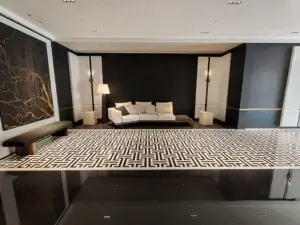
Shopping for marble can be a bit overwhelming—especially when prices vary so dramatically from one slab to another. One piece might cost a few hundred dollars, while another seemingly similar one runs into the thousands. What gives?
Understanding what affects marble slab prices helps take some of the mystery out of the buying process. And honestly, once the key factors become clear, it’s much easier to set realistic expectations and find something that fits both the vision and the budget.
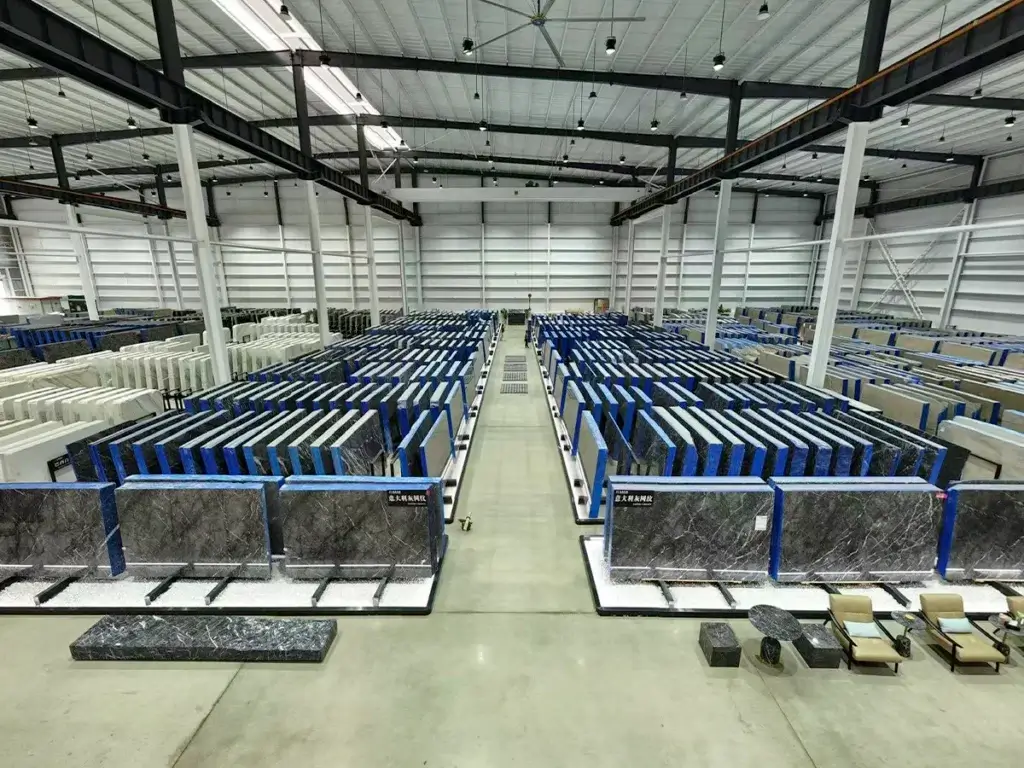
The Type of Marble Matters—A Lot
Not all marble is created equal. Some varieties are abundant and relatively easy to quarry, which keeps prices reasonable. Others are rare, found only in specific regions, and that exclusivity drives costs up significantly.
Common marble types and their general price ranges:
| Marble Type | Origin | Price Range (per sq ft) | Characteristics |
|---|---|---|---|
| Carrara | Italy | $40–$100 | Gray veining, classic look |
| Calacatta | Italy | $180–$400+ | Bold veining, luxurious |
| Emperador | Spain | $50–$150 | Brown tones, warm appearance |
| Thassos | Greece | $50–$90 | Pure white, minimal veining |
| Statuario | Italy | $150–$300 | Dramatic gray veins |
Calacatta, for instance, tends to be on the pricier end because of its striking veining patterns and limited availability. Carrara, while still beautiful, is more widely available—hence the lower marble slab prices.
Slab Thickness and Size
This one’s fairly straightforward. Thicker slabs cost more because they require more raw material and are heavier to transport. Standard thicknesses typically fall around 2cm or 3cm, with 3cm being preferred for countertops due to added durability.
Larger slabs also command higher prices. Bigger pieces mean fewer seams in the finished installation, which many people prefer aesthetically. But that convenience comes at a cost.
Standard Thickness Options
2cm (¾ inch) – Often used for wall applications or with plywood backing
2. 3cm (1¼ inch) – Preferred for countertops and high-traffic surfaces
3. Custom thickness – Available but significantly more expensive
Origin and Transportation Costs
Where the marble comes from plays a huge role in pricing. Italian marble, particularly from the Carrara region, carries a certain prestige—and a price tag to match. Marble sourced from countries like Turkey, China, or India often costs less, though quality can still be excellent.
Transportation adds another layer. Shipping heavy stone slabs across oceans isn’t cheap. Import fees, handling, and logistics all factor into the final marble slab prices consumers see at showrooms.
Finish and Processing
The way marble is finished affects both its appearance and its price. Different finishes require varying levels of labor and equipment.
Popular finish types include:
• Polished – High-gloss, reflective surface; most common
• Honed – Matte finish, softer look; slightly less expensive
• Leathered – Textured surface; mid-range pricing
• Brushed – Antique appearance; specialty option
Polished finishes tend to highlight the stone’s natural patterns beautifully, though honed surfaces have gained popularity for their understated elegance. The choice really depends on personal preference and intended use.
Grade and Quality
Marble is often graded based on visual consistency, structural integrity, and the presence of natural flaws. Higher grades—fewer cracks, more uniform coloring—naturally cost more.
Lower-grade slabs can still look stunning, especially in applications where some variation adds character. But for large, seamless installations, premium grades are usually worth the investment.
Final Thoughts
Marble slab prices depend on a mix of factors: stone type, size, origin, finish, and quality all contribute. There’s no single “right” price—it really comes down to what works for the project at hand. Taking time to compare options and understand what drives costs can lead to better decisions and fewer surprises. If you want to know more about marble slabs, please read The Ultimate Guide to Marble Slab Types and Different Colors of Marble Slabs and Their Applications.
FAQ
Why is Calacatta marble so expensive?
Limited quarry sources and distinctive bold veining make it highly sought after and rare.
Are thicker marble slabs always better?
Not necessarily—3cm is ideal for countertops, but 2cm works well for walls and lighter applications.
Does imported marble always cost more?
Often yes, due to shipping and import fees, but domestic options can sometimes match quality at lower prices.