If you’re comparing countertop or flooring materials and find yourself drawn to the warm, neutral tones of beige marble, the next question is almost always this: natural or cultured? The two look similar in a showroom, but they behave very differently once installed. Understanding where they diverge helps you choose the right material for your space—and your lifestyle.
How They’re Made
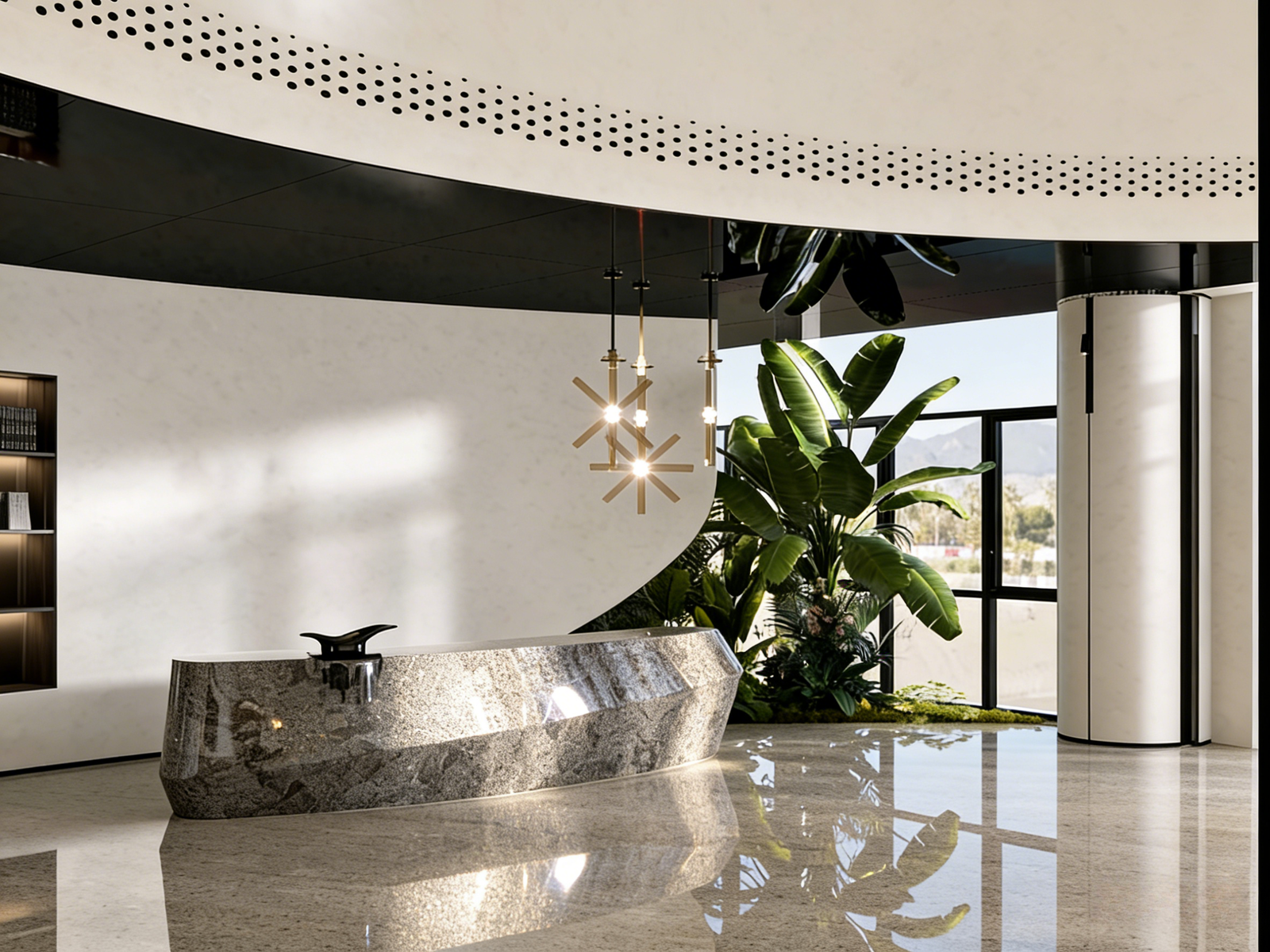
Natural beige marble is quarried from the earth. It forms over millions of years as limestone recrystallizes under intense heat and pressure, creating the distinctive veining and color variation that makes each slab unique. Common sources include Turkey, Italy, and Spain, with Turkish beige varieties being especially prevalent in commercial projects.
Cultured marble, sometimes called engineered marble, is manufactured. Crushed natural marble is combined with a resin binder—typically polyester or acrylic—along with pigments and additives, then poured into molds and cured. The result mimics marble’s appearance but with far more consistency from piece to piece.
Appearance: Character vs. Consistency
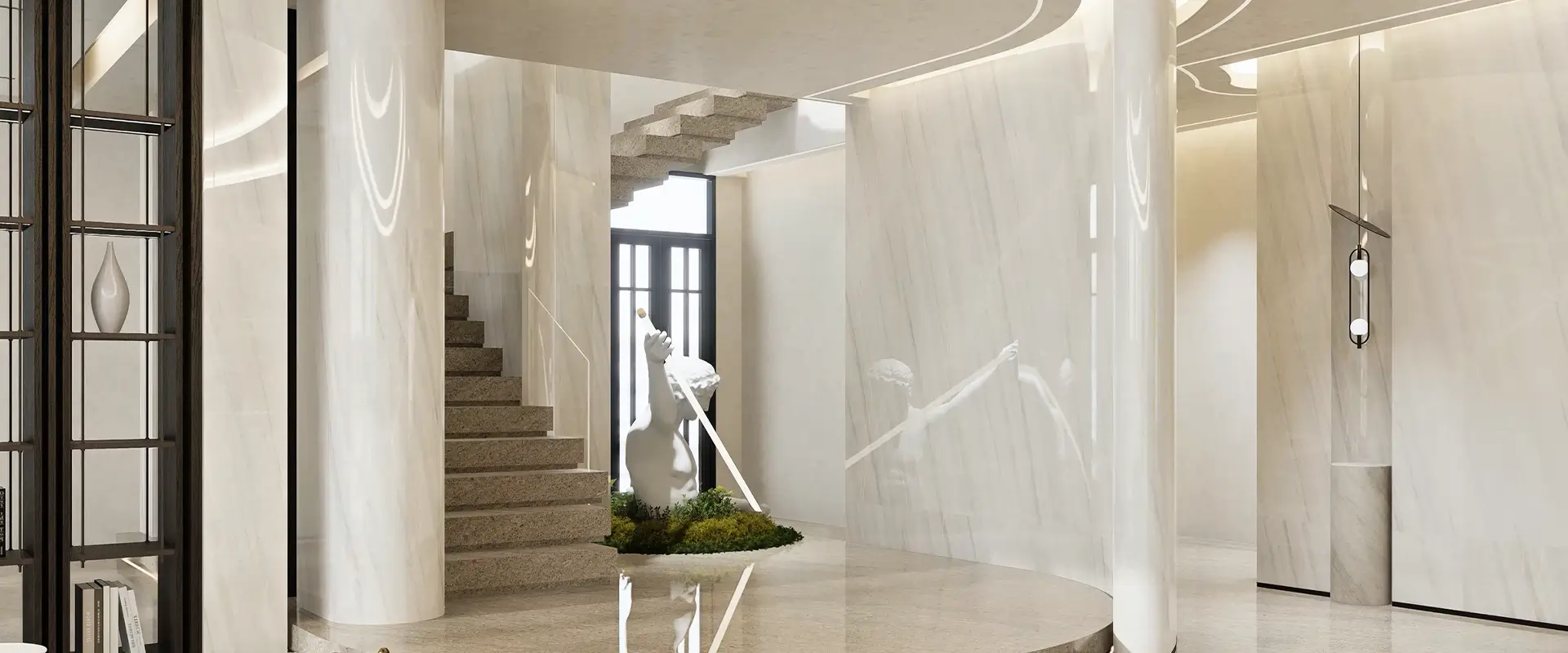
This is where the philosophical difference between the two materials becomes most visible. Natural beige marble carries the geological signature of its origin. Veining patterns are unpredictable—some slabs have bold, dramatic movement, others a softer, cloud-like texture. The color palette ranges from pale cream to warmer sand tones, but no two slabs are identical. For many buyers, that individuality is the entire point.
Cultured marble offers controlled predictability. Manufacturers can replicate a particular veining style across an entire production run, which makes it easier to match multiple countertops or coordinate a large project. The trade-off is depth. Cultured marble tends to look flatter, and the protective gel coating can give the surface a slightly plastic quality compared to the natural stone’s luminous polish.

Performance in Real Use
Porosity and Staining
Natural marble is porous. Even dense beige varieties with low water absorption rates still require sealing to prevent oils, wine, and other staining agents from penetrating the surface. Acidic substances like lemon juice or vinegar can etch the polish, leaving dull marks.
Cultured marble’s resin matrix seals the surface. Spills tend to sit on top rather than soak in, and routine cleaning with mild household products is usually sufficient. For busy kitchens or bathrooms where maintenance is a consideration, this is a meaningful advantage.

Heat and Sunlight
Natural stone handles heat well. A hot pan set down briefly is unlikely to cause permanent damage.
Cultured marble’s resin component is more vulnerable. High heat can scorch or discolor the surface, and prolonged UV exposure may cause fading or yellowing over time. This makes it less suitable for sun-drenched areas or outdoor applications.

Repairability
Natural marble can be mechanically ground and repolished on-site if it scratches or chips. Cultured marble can also be repaired, but the repair may not blend as seamlessly with the surrounding surface.
Installation and Fabrication
Natural marble is heavy and brittle. It requires experienced fabricators and careful handling during installation. Seams between slabs are sometimes visible, and integrated sinks are not an option—the sink must be undermounted or sit on top of the counter.
Cultured marble is lighter and can be molded into shapes that would be impractical with natural stone. Integrated sinks, backsplashes with curved edges, and single-piece vanities are all possible. Installation is generally faster and less labor-intensive.

Cost Considerations
Natural beige marble is an investment. Quarrying, transport, fabrication, and installation all contribute to a price point that can run several times higher than cultured alternatives. Availability varies by quarry and region, and specialty beige varieties may command premium pricing.
Cultured marble offers a more accessible entry point. Material costs are lower, and because it can be molded to specification, there is often less waste and less labor required during installation.

Making the Choice
The decision ultimately comes down to what you value most.
Natural beige marble rewards those who want the real thing: a surface with geological history, unique character, and the depth that only natural stone provides. It asks for more care and a larger budget, but it ages into a patina that many find increasingly beautiful.
Cultured marble suits projects where consistency, lower maintenance, and budget predictability matter more than natural variation. It performs well in bathrooms and low-traffic areas, particularly where integrated shapes are desired.
Neither is universally “better.” The right choice depends on where the material will live and how you want it to age.
Note on content creation: This article was produced with human editorial oversight, drawing on technical data from stone industry sources and comparison research.