Picking stone surfaces usually starts with looks and ends with a reality check. Natural marble, engineered stone, and quartz sound like cousins, but their temperaments are nothing alike. One fears acid, another fears heat, and the third fears scratches. Knowing what each can and cannot handle matters more than scrolling through a hundred inspiration photos.
First, Let’s Get the Names Straight
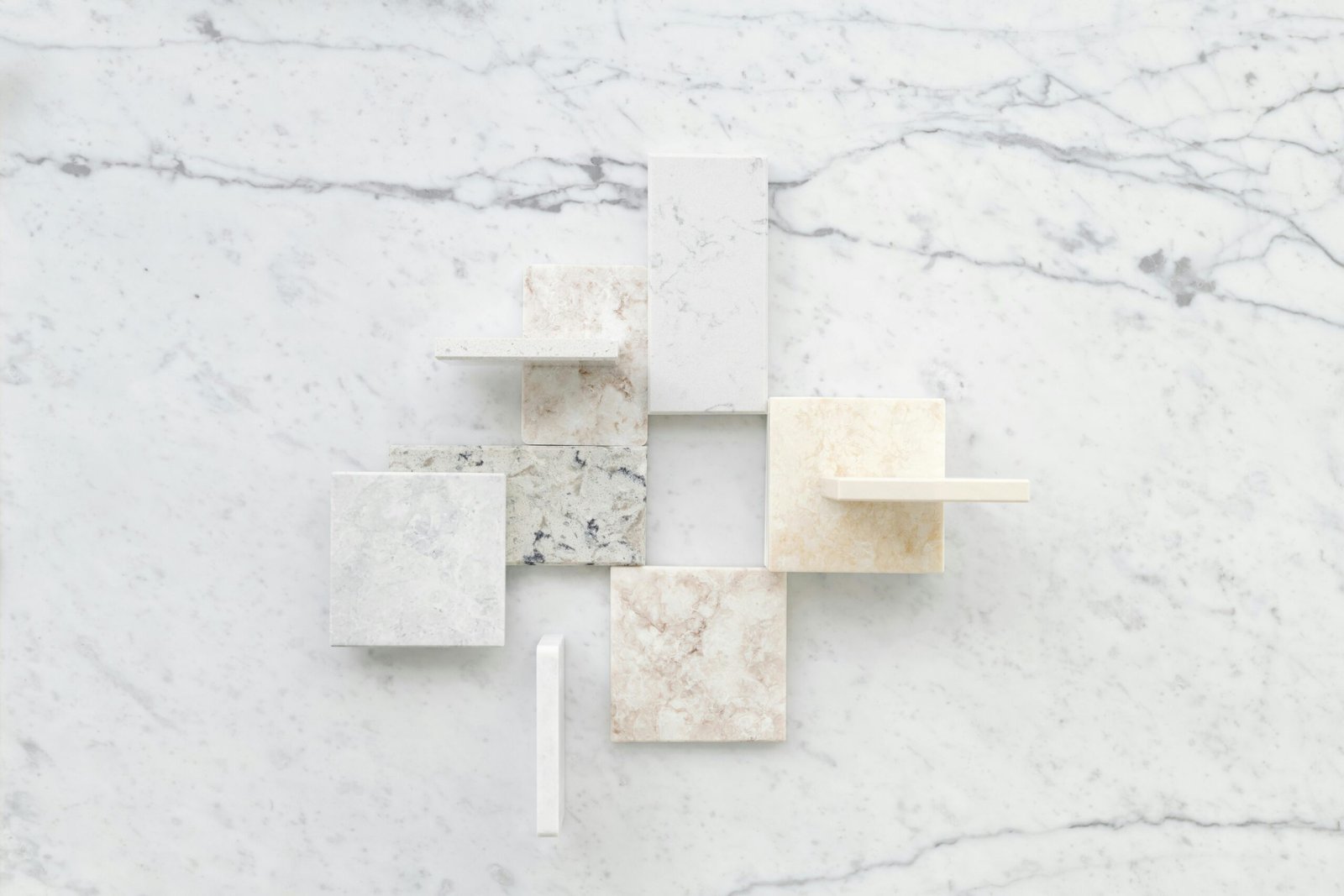
Natural marble is a metamorphic rock quarried from the earth, composed mainly of calcium carbonate. Every slab has unique veining, and that is precisely its value. The term “engineered stone” is a bit fuzzy. In older usage, it often referred to acrylic solid surface, a softer material. In today’s renovation conversations, it is frequently used as a catch-all for resin-based composites. Quartz is technically engineered too, but it is a different animal: quartz crystals make up over 90% of the slab, with resin and pigment making up the rest. Its hardness operates on another level entirely.
Kitchen Counters: Quartz’s Home Turf, Marble’s Danger Zone
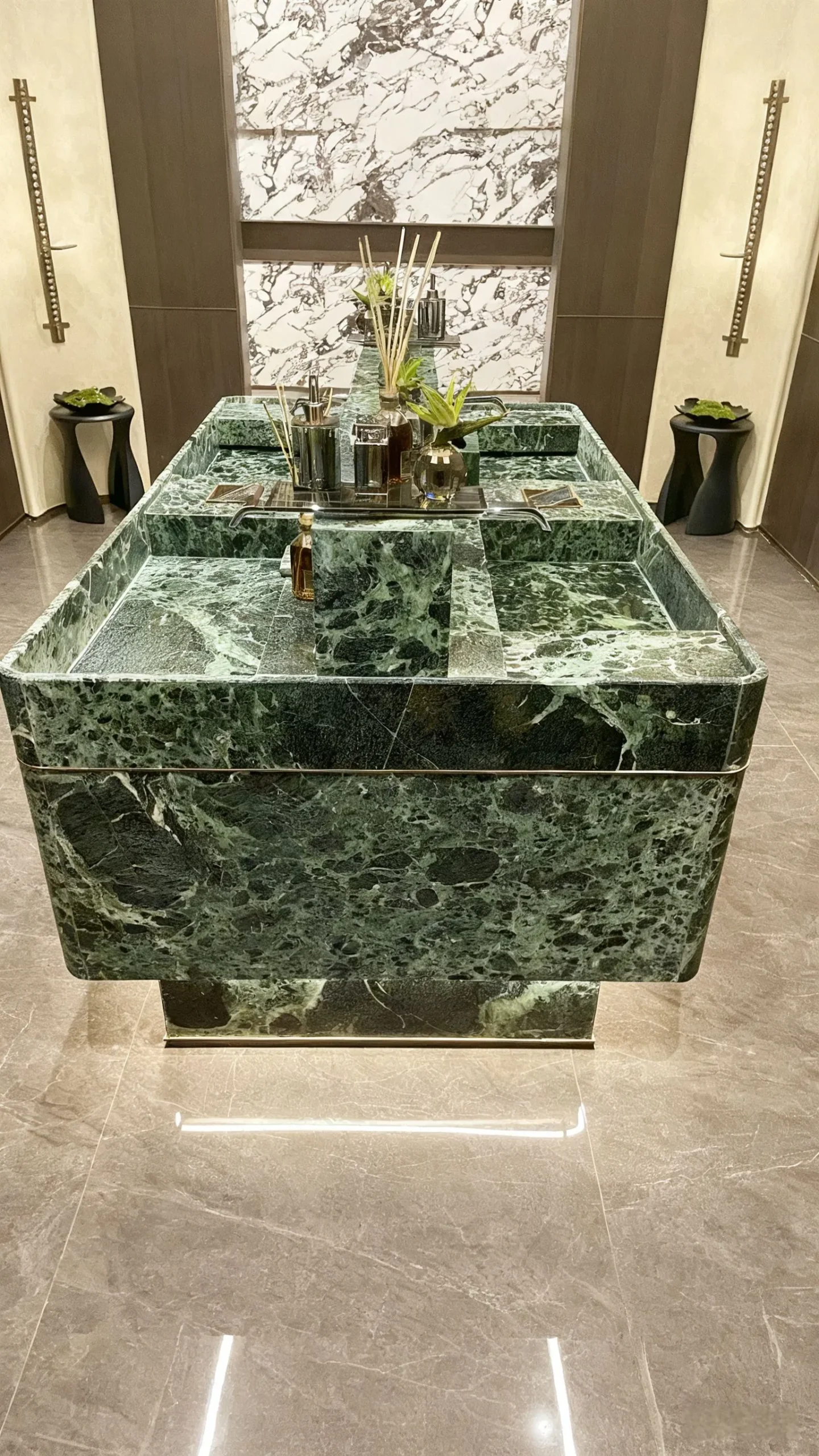
If your kitchen actually sees real cooking, a natural marble countertop will likely make you regret the decision. Its Mohs hardness sits around 3 to 4, so a knife tip leaves a mark without much effort. Acid is the bigger problem. Lemon juice, vinegar, tomato sauce, red wine—any of these left sitting for a moment will etch the surface into a dull white spot. That is not dirt. The stone itself has been dissolved. You cannot wipe it away or polish it back. Natural marble also has microscopic pores, meaning soy sauce or coffee that seeps in becomes a permanent stain.
Quartz dominates here. At Mohs 7, everyday food prep will not scratch it. The surface is dense and non-porous, so spilled soy sauce wipes clean, and you can skip the quarterly sealing ritual. Heat resistance is adequate—a hot pan briefly set down will not crack it, though a trivet is still wise. The trade-off is that quartz looks almost too consistent. Its patterns are printed and pressed, lacking the unpredictable depth of natural stone. The resin content also means prolonged direct UV exposure will yellow it over time, so it is a poor fit for outdoor use.
Acrylic-based solid surface sits in an awkward middle. It is cheap, seams can be made nearly invisible, and it shapes easily. But hardness is low, and the countertop will accumulate fine scratches over time. Heat resistance is poor; a hot pan can leave a scorch mark. If your budget is extremely tight and you rarely cook, it is workable. But if you care about the countertop at all, spending up for quartz is the smarter move.
Walls and Feature Panels: Where Marble Belongs
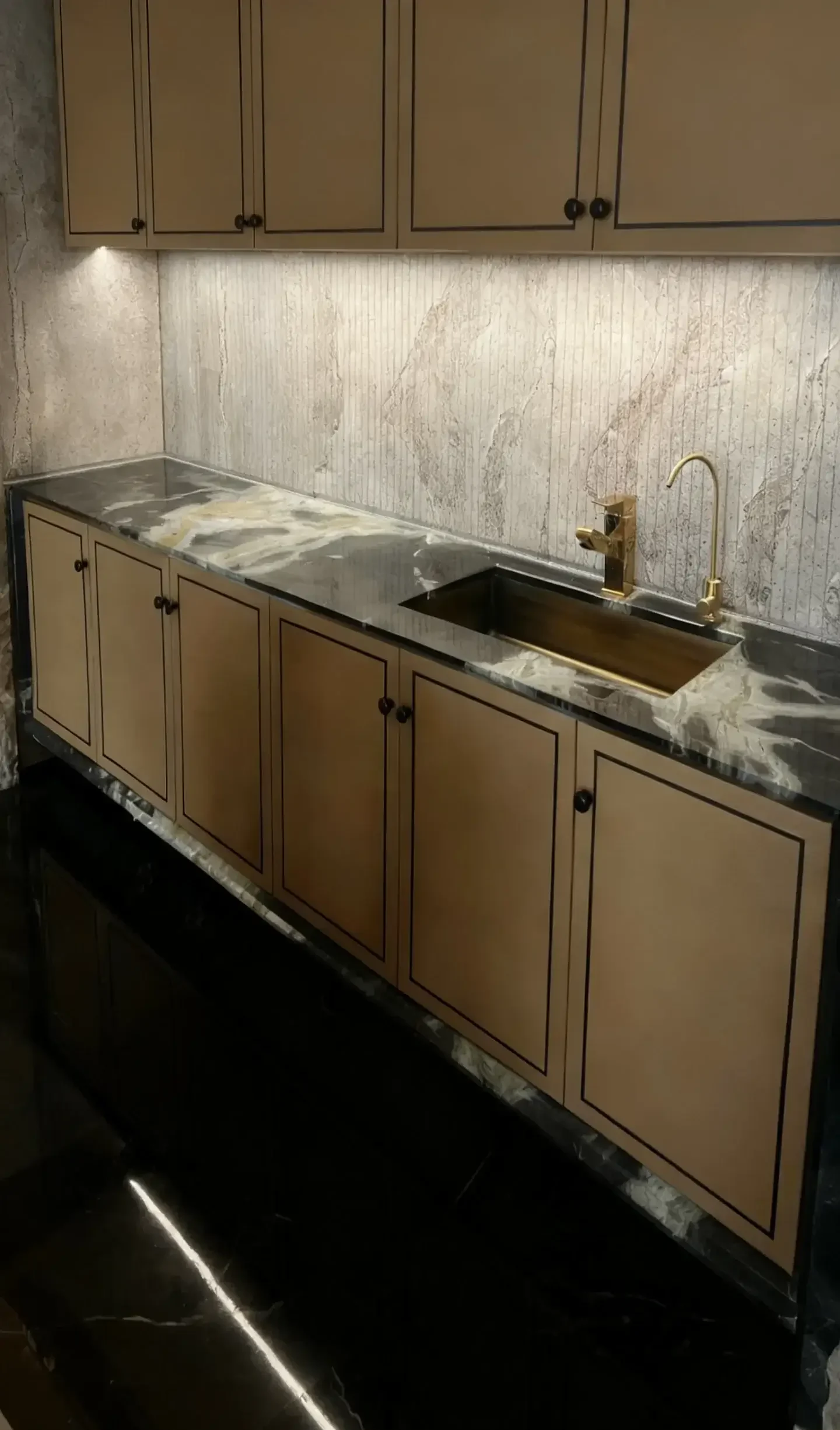
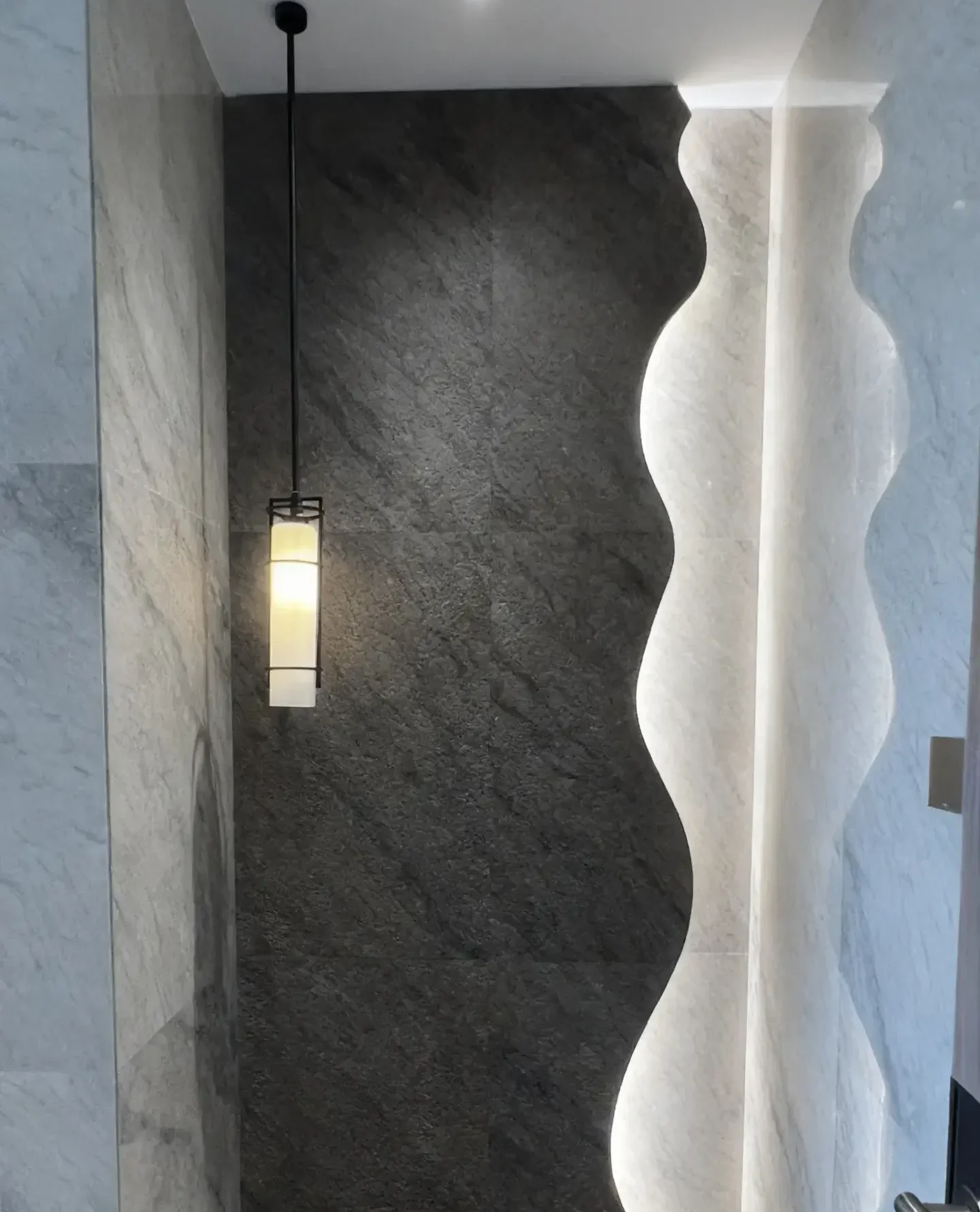
So is natural marble useless? Hardly. Put it somewhere that never meets acid or a chef’s knife, and its strengths emerge. A living room TV wall, an entryway console, a fireplace surround—none of these require wiping with vinegar, and nobody is slicing lemons on them. Marble’s veining is the result of hundreds of millions of years of geological activity. Printing and pressing cannot replicate that depth. Book-matched slabs, where two pieces mirror each other to form a continuous pattern, produce an effect quartz simply cannot match.
There is also a tactile difference people often overlook. Natural stone feels cool to the touch, with a subtle mineral grain rather than the lukewarm smoothness of resin. If those details matter to you, marble is worth it in areas that do not need to work for a living.
A Practical Compromise
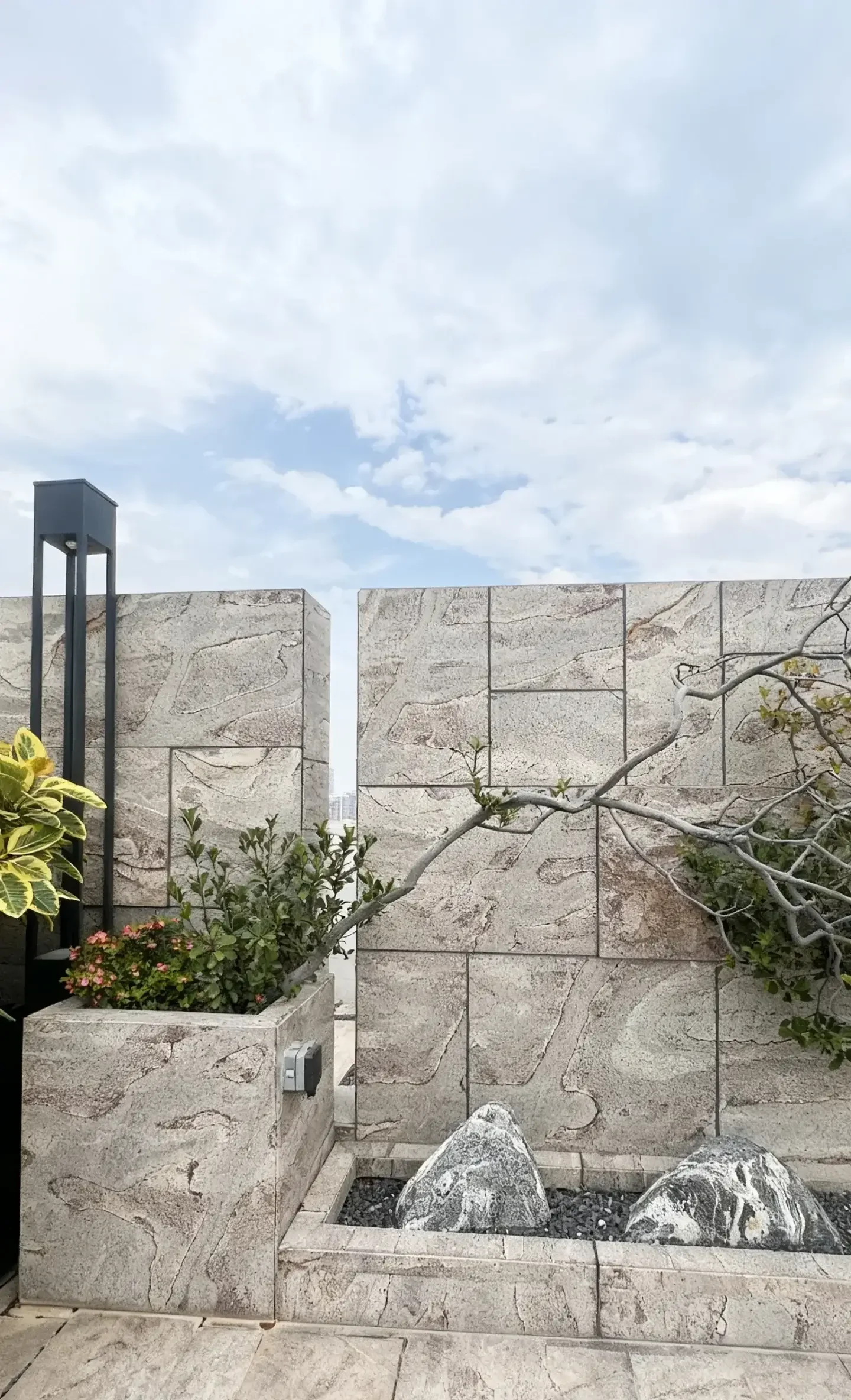
If you want the look of marble without giving up a functional kitchen, split the difference. Use quartz around the stove and sink. Use marble for an island top or a prep zone. Some people put marble on the backsplash, safely away from heat and knives, where it only has to look good. Let quartz take the abuse on the island. The budget stays sane, and daily life does not require constant anxiety.
One Last Honest Note
There is no “best stone,” only the right stone for the right place. Natural marble is a luxury in the living room and a liability in the kitchen. Quartz is a workhorse in the kitchen and a bit dull on a feature wall. Acrylic solid surface is cheap for a reason. Decide what you are actually paying for—unrepeatable veining or effortless maintenance—and the choice gets a lot simpler.