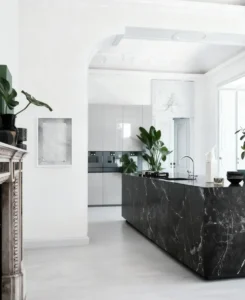
Throughout the history and cultural development of stone, stone has progressed alongside human civilization. In human life, stone has been used for everything from production tools such as stone knives, axes, and millstones to household furniture such as stone tables, bowls, and vats; from architectural decorations such as the pyramids, the Colosseum, the Temple of Battista, and the Great Wall to the aesthetic art of sculptures such as the Dazu Rock Carvings, Longmen Grottoes, and Mogao Grottoes; from musical instruments such as stone zithers and chimes to literary art such as “The Story of the Stone” and “Journey to the West.” Stone has been an integral part of human life in every aspect.
I. Quarry Blocks (Raw Material)
II. Stone Slabs & Tiles
Stone Slabs: Slabs produced by directly sawing quarry blocks.
Cut-to-Size Tiles : Tiles fabricated to specific dimensions based on site measurements and elevation drawings for a particular project. Each tile is cut to the exact size required for its designated location on the wall.
Composite Panels: Products created by bonding two materials together with adhesive. The face layer is usually a premium material (e.g., natural stone), while the backing can be stone, aluminum honeycomb, aluminum composite panel, etc., depending on client requirements.
Thin Tiles: Common in international markets, these are similar to ceramic tiles. Standard sizes are often 305mm x 305mm or 457mm x 457mm, with a thickness of around 10mm. They are designed for easy installation and retail sale, often found in home improvement stores abroad.
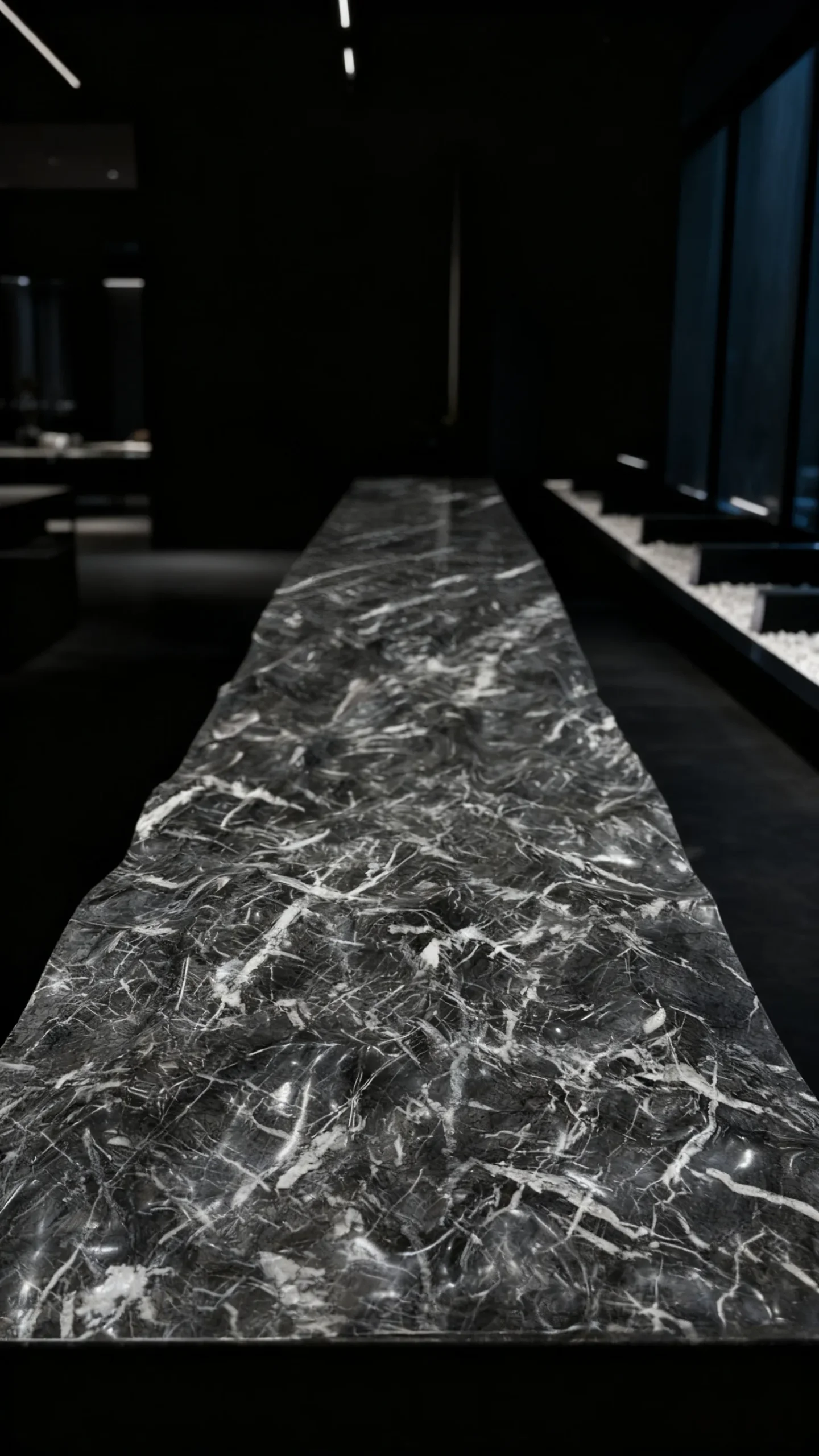
Countertops: Includes kitchen countertops, vanity tops, coffee tabletops, dining tabletops, bar tops, and display counters (available as solid slab tops or composite tops).
III. Architectural Stone (Custom Shapes & Mouldings)
Mouldings (Profiles): Based on their shape, they can be classified as straight mouldings, curved (arch) mouldings, arc panel mouldings, or slab mouldings. In architectural design, multiple moulding profiles are often combined for optimal aesthetic effect and cost control. Common applications include door/window surrounds, wall trims (belt courses), cornices, mirror/picture frames, and various decorative or edge-finishing trims.
Columns: A column typically consists of three parts: the capital, the shaft, and the base. With technological advancements, columns are now produced as hollow columns (stone panels/arcs cladding a concrete core) or solid columns (monolithic stone). To achieve diverse decorative effects, columns are categorized by style: Roman columns, plain/smooth columns, twisted/fluted columns, tapered columns, barrel-shaped columns, carved columns (e.g., the ornate Huabiao columns in Beijing), and balustrade columns.
Fireplaces: A Western import (fireplace). Historically used for heating in Western cultures, they hold a significance similar to that of ancestral shrines in some Eastern cultures. Fireplaces can be made from slab materials or solid stone, and often feature carvings to enhance their ornamental value.
Washbasins (Stone Basins): Carved from smaller quarry blocks. The process leverages the natural veining of the stone to combine functionality with aesthetic appeal.
Monuments & Headstones: A time-honored product category, valued for the stone’s durability and symbolic permanence. Modern monuments increasingly feature intricate carved floral or figurative designs on headstones, tombstones, and even urns, serving as elaborate memorials.
Mosaics:Mosaic is also a Western import (mosaic), with a history spanning centuries in Europe, particularly renowned for the exquisite artistry in cathedrals. The materials used are diverse, including stone, glass, wood, ceramics, and even metals and precious gems. The primary characteristics of mosaics are their flexibility and the richness of color they offer. Functionally, they are available as strips, tiles, or patterns. They allow for highly detailed depictions; for example, a mosaic portrait of the Mona Lisa can, from a distance, be almost indistinguishable from an oil painting.
V. Carvings & Other Art Pieces
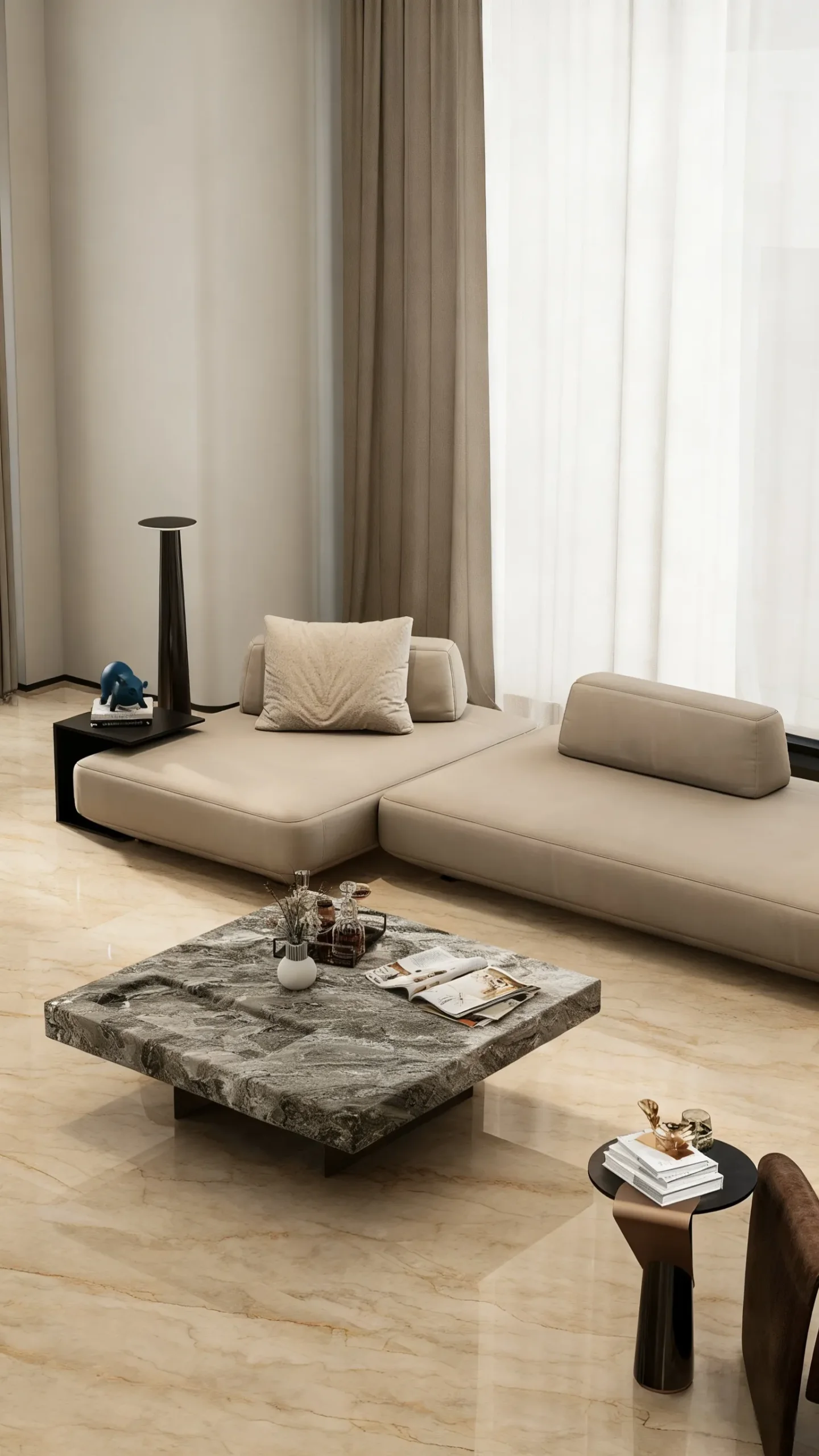
Stone carving represents one of the oldest forms of cultural expression using stone. Categories include:
3D Sculptures (Sculpture in the Round): e.g., carved column capitals, large-scale statues (like the Leshan Giant Buddha), and deity figures.
Reliefs: (High relief, low relief).
Intaglio (Shadow Carving): A specific technique where images are etched into polished stone.
Decorative Objects: e.g., jade vases, zodiac animal figurines.