Whether you’re a decorator or a homeowner, stone is an important decorative material, and we should all understand its relevant knowledge and characteristics.
This article will provide you with some common knowledge about stone, such as: types of stone, stone colors, stone properties… Everything you want to know is here, so be sure to share and save it!
1. The concept of stone
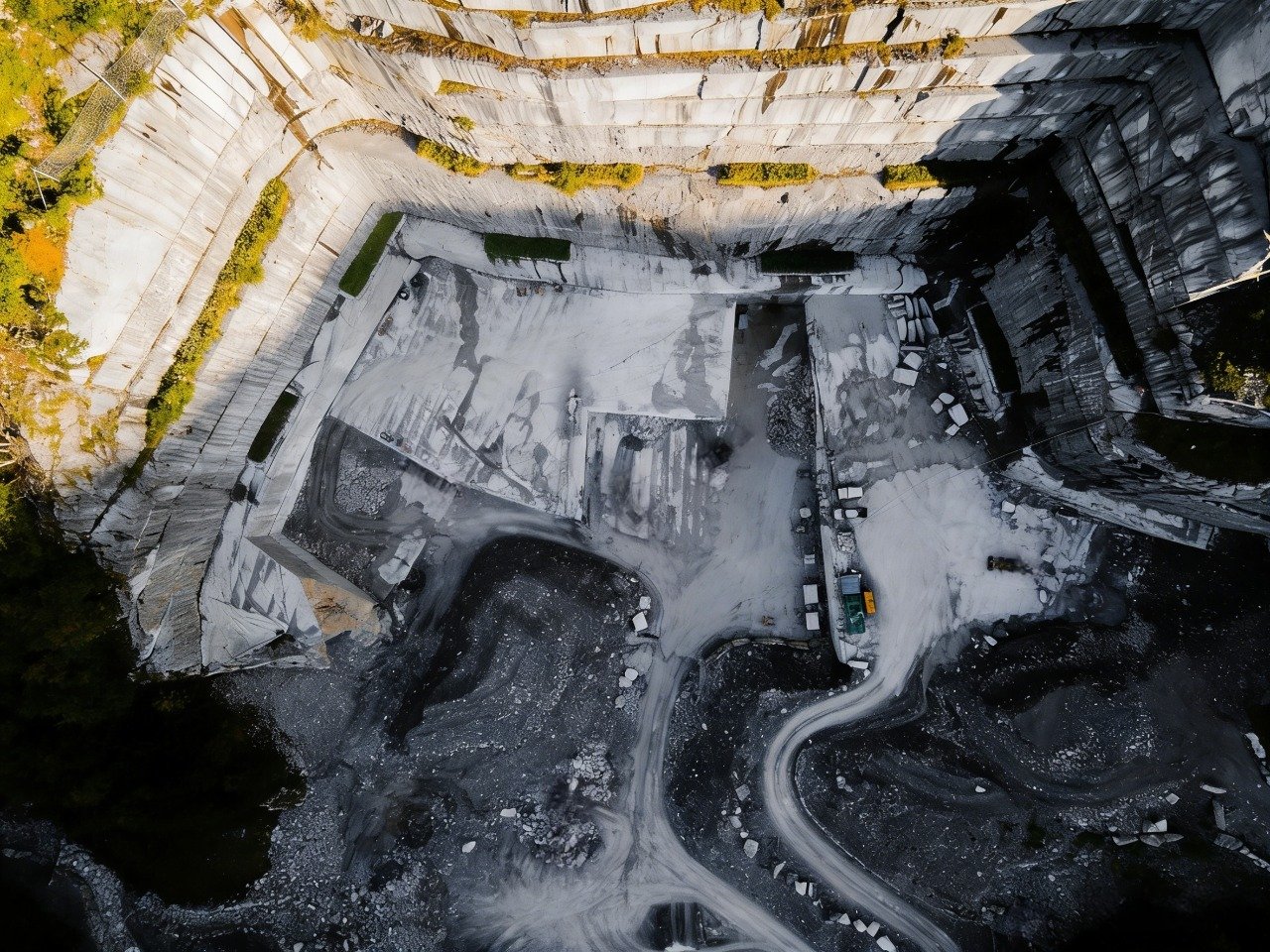
Stone is a metamorphic or sedimentary carbonate rock. Its main chemical component is calcium carbonate, which accounts for more than 50%, and it also contains magnesium carbonate, calcium oxide, manganese oxide, and silicon dioxide, etc.
2. Classification of Stone
The American Society for Testing and Materials (ASTM) classifies natural stone as follows:
Natural stone refers to materials extracted from natural rocks and processed into block or slab shapes. As the authoritative standard for interior decoration materials in the United States, the ASTM has provided a comprehensive definition and classification of natural decorative stone. It has established strict technical standards and specifications for various types of natural stone, which have been recognized and adopted by most countries worldwide, including China, the European Union, and Japan.
For example, the engineering stone material standards for limestone and sandstone in my country are directly tested by the National Building Materials Industry Stone Quality Inspection Center according to the American ASTM standards.
Currently, the ASTM classifies natural decorative stone into six major categories: granite, limestone, marble, quarter-based sandstone, slate, and other stones.
Granite
Definition: A sedimentary rock primarily composed of calcium carbonate (calcite mineral) or calcium magnesium carbonate (dolomite), or a mixture of both minerals. Commercially, it includes the following types: clastic limestone, crustal limestone, dolomite, microcrystalline limestone, flaky limestone, recrystallized limestone, and tuff.
Property Classification:
Low-density limestone: density ranges from 1.76 to 2.16 g/cm³.
Medium-density limestone: density ranges from 1.76 to 2.56 g/cm³.
High-density limestone: density above 2.56 g/cm³.

Marble
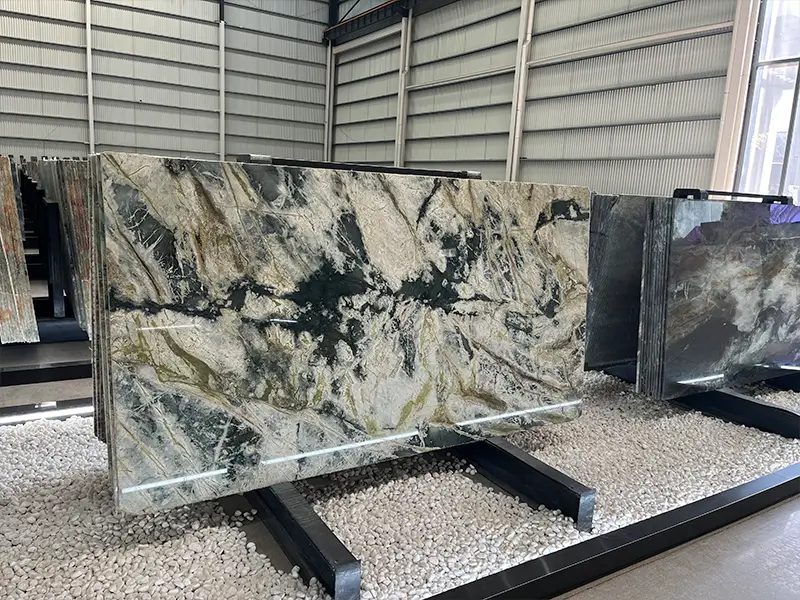
Definition: This type of stone must be polishable. Its composition and structure vary considerably, ranging from pure carbonate to rocks with very low carbonate content. Commercially, they are all collectively referred to as marble. Most have veins or patterns, and crystal grain sizes range from cryptocrystalline to 5mm in diameter.
Classification:
Commercially, it is mainly divided into calcite marble, dolomite marble, agate-striped marble, serpentine marble, and tuff marble.
Calcite Marble: Primarily composed of calcite, it forms a unique crystalline structure due to recrystallization.
Dolomite Marble: Primarily composed of dolomite, it forms a crystalline structure through high temperature and pressure during metamorphic processes.
Serpentine Marble: Primarily composed of serpentine (magnesium silicate hydrate), it is green or dark green, with veins composed of dolomite, calcite, or magnesite.
Tuff Marble: A porous, water-permeable, layered structure containing some calcite crystals.
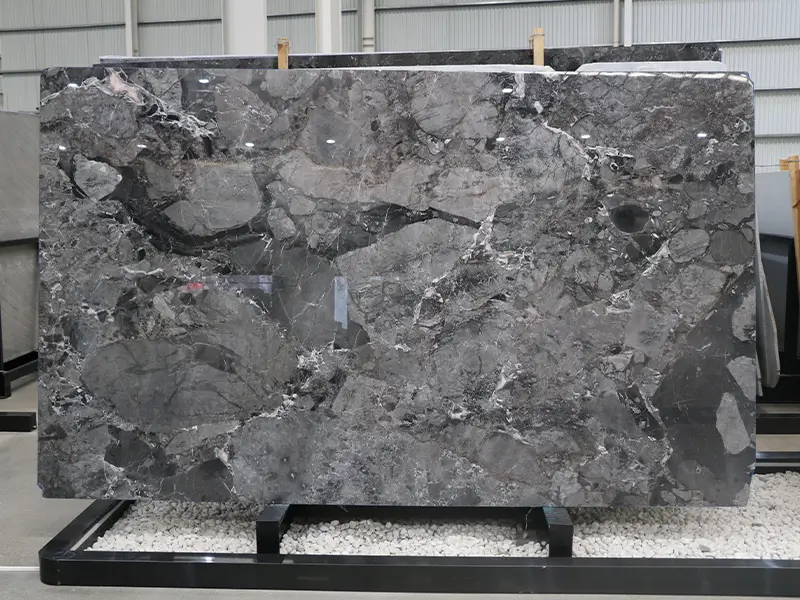
Limestone
Definition: Granular igneous rock, typically ranging in color from pink to light gray or dark gray, mainly composed of quartz and feldspar, with minor amounts of black minerals. It has a uniform grain texture and some exhibit a gneiss or porphyry structure.
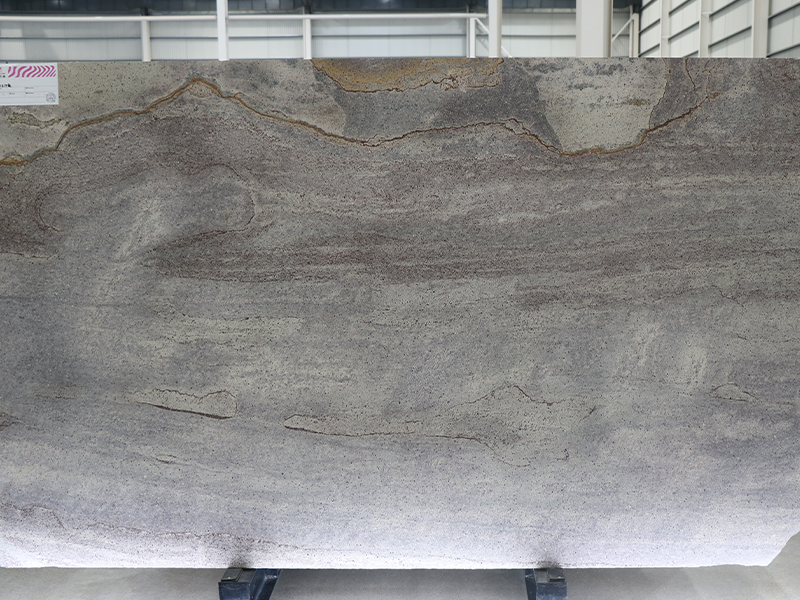
Sandstone (Quartz-based)
Definition: A type of sedimentary rock primarily composed of mineral and rock grains (0.06-2 mm in size) containing over 60% silica. It possesses a porous structure formed by the aggregation of silica, iron oxide, carbonates, or clay.
Classification:
Commercially, it is mainly classified into bluish-gray sandstone, brown sandstone, orthoquartz sandstone, quartzite, gravel, and siltstone.
Sandstone: Silica content 60-90%.
Orthoquartz: Silica content 90-95%.
Quartzite: Silica content over 95%.
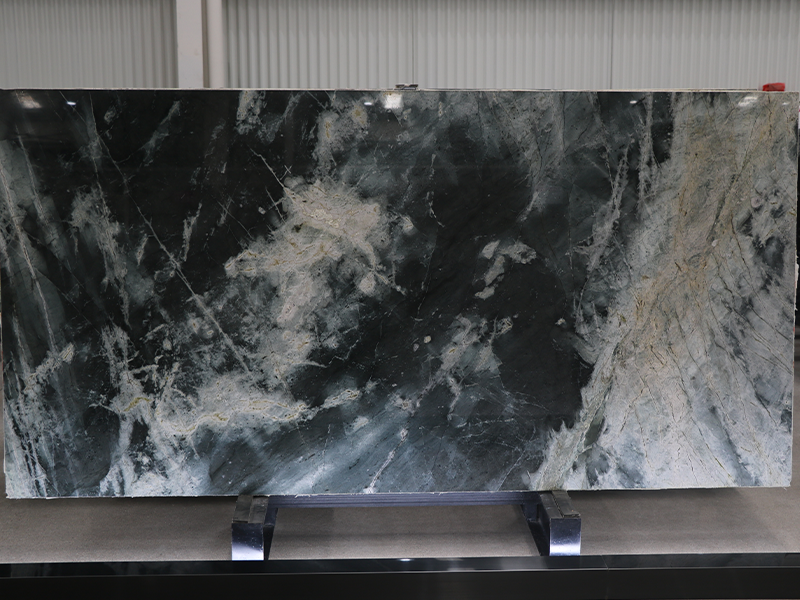
Slate
Definition: A microcrystalline metamorphic rock, usually mostly derived from shale, primarily composed of mica, oxocyanates, and quartz. Slate contains mica minerals with nearly parallel orientations, allowing it to be cleaved along bedding planes to form thin, hard slates.
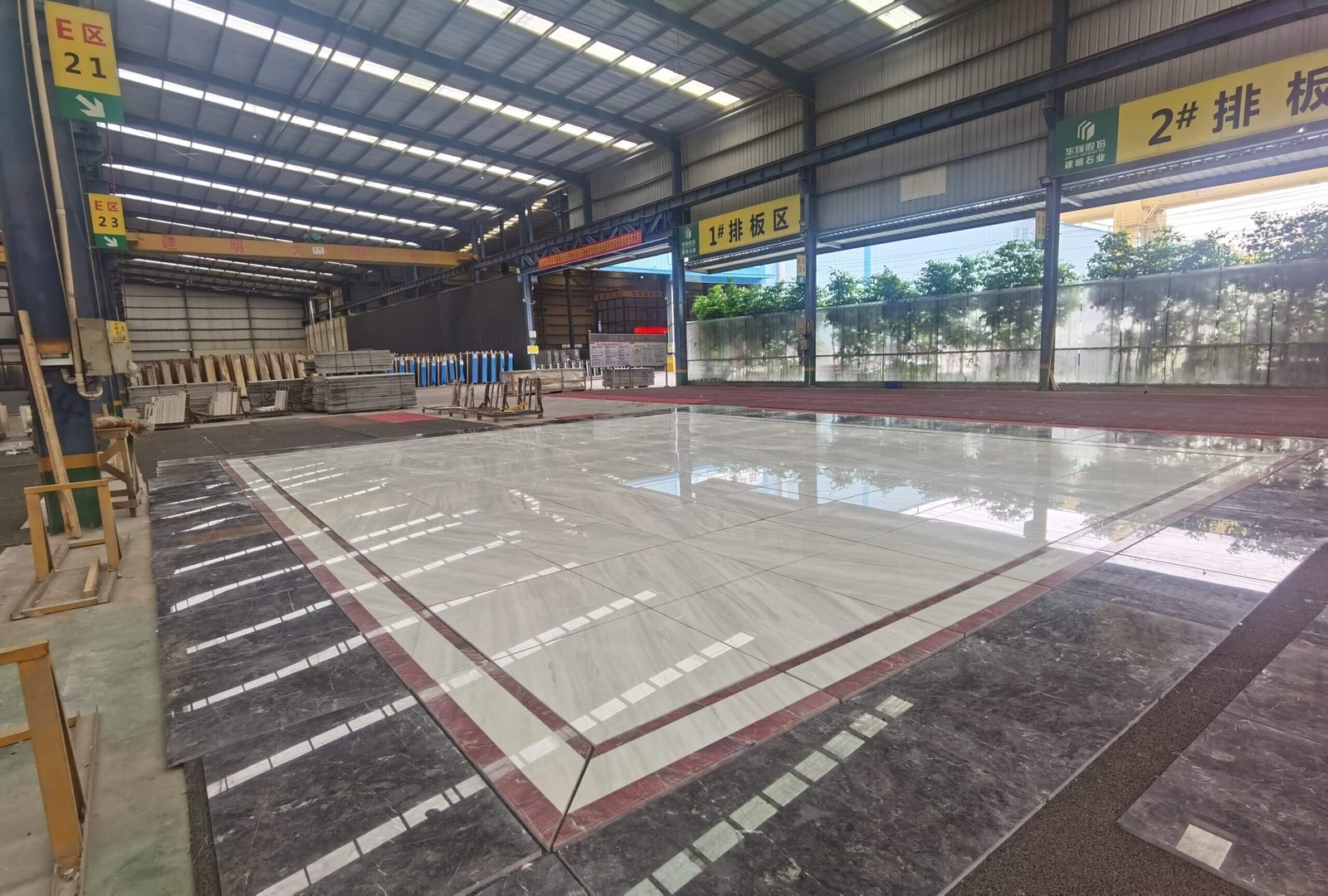
Other Stones
Some stones of near-gem quality, such as jade, semi-precious stones, shells, agate, gemstones, and crystals, are sometimes used as decorative stones. The amount used is generally not large, serving an embellishing purpose.

Formation of Stone
Natural stone is extracted from natural rock formations and processed into blocks or slabs.
Marble and granite are the two most commonly used. Marble is a metamorphic carbonate rock formed from pre-existing rocks in the Earth’s crust through sedimentation or high-temperature, high-pressure processes. Its main component is calcium carbonate, accounting for over 50%. Because marble generally contains impurities, such as large crystal grains, it is brittle. Furthermore, calcium carbonate is easily weathered and eroded by carbon dioxide, carbides, and water vapor in the atmosphere, causing the surface to lose its luster. Of course, you don’t need to worry about this, as the geological timescale is measured in hundreds of millions of years, and the geological changes we experience in our lifetime are limited.
Granite is a rock formed from the cooling and crystallization of underground magma or volcanic lava. Its main component is silicon dioxide. When the content exceeds 65%, it is classified as an acidic rock. This type of rock is composed of crystals formed from basic minerals such as feldspar, quartz, and mica, exhibiting a granular structure and a hard, dense texture. Therefore, granite is often used outdoors and in harsher environments.
The natural stone sold on the market today isn’t classified so meticulously. Most types of textured, carbonized stone are generally called marble, while those with speckled, crystalline particles are generally called granite. Of course, such detailed classification isn’t necessary for interior decoration.
Regarding the mention of natural stone containing radioactive substances, there’s no need to worry. Natural stone, like any other substance, contains radioactive elements, but the content is very low and does not reach levels that pose a threat to humans. Currently, there’s only a clear definition of the radioactivity level of granite on the market, divided into three categories: A, B, and C. Most stones meet the A-category standard.
Under normal circumstances, the radioactivity of stone can be observed from its color, from highest to lowest: red, green, flesh-colored, grayish-white, white, and black. Granite generally has higher radioactivity than marble. When purchasing, pay attention to whether the stone has been artificially treated. Such stones have poor surface gloss, unnatural color, and poorly treated cross-sections show a significant color contrast with the surface, appearing somewhat whitish. They also tend to be less hard, and these defects will usually become apparent after six months to a year of use. Good quality stone has a mirror-like sheen, clearly reflecting objects.
Also, check the back of the stone for a mesh pattern; this type of stone is more brittle and this treatment is done to increase its hardness. Try to choose stone that meets Class A standards; the load-bearing thickness should not be less than 15 mm, the thickness should be uniform, there should be no pits, the four corners should be clearly defined, the cut edges should be neat, and there should be no cracks.
Stone Selection
When choosing stone, you can select materials based on their characteristics and color.
Granite is mainly used for kitchen countertops, thresholds, and stair steps. Its rock is relatively dense and hard, with a darker color and less color variation. Darker colors are generally preferred as they are easier to clean, create a more layered look, and avoid a flimsy feel.
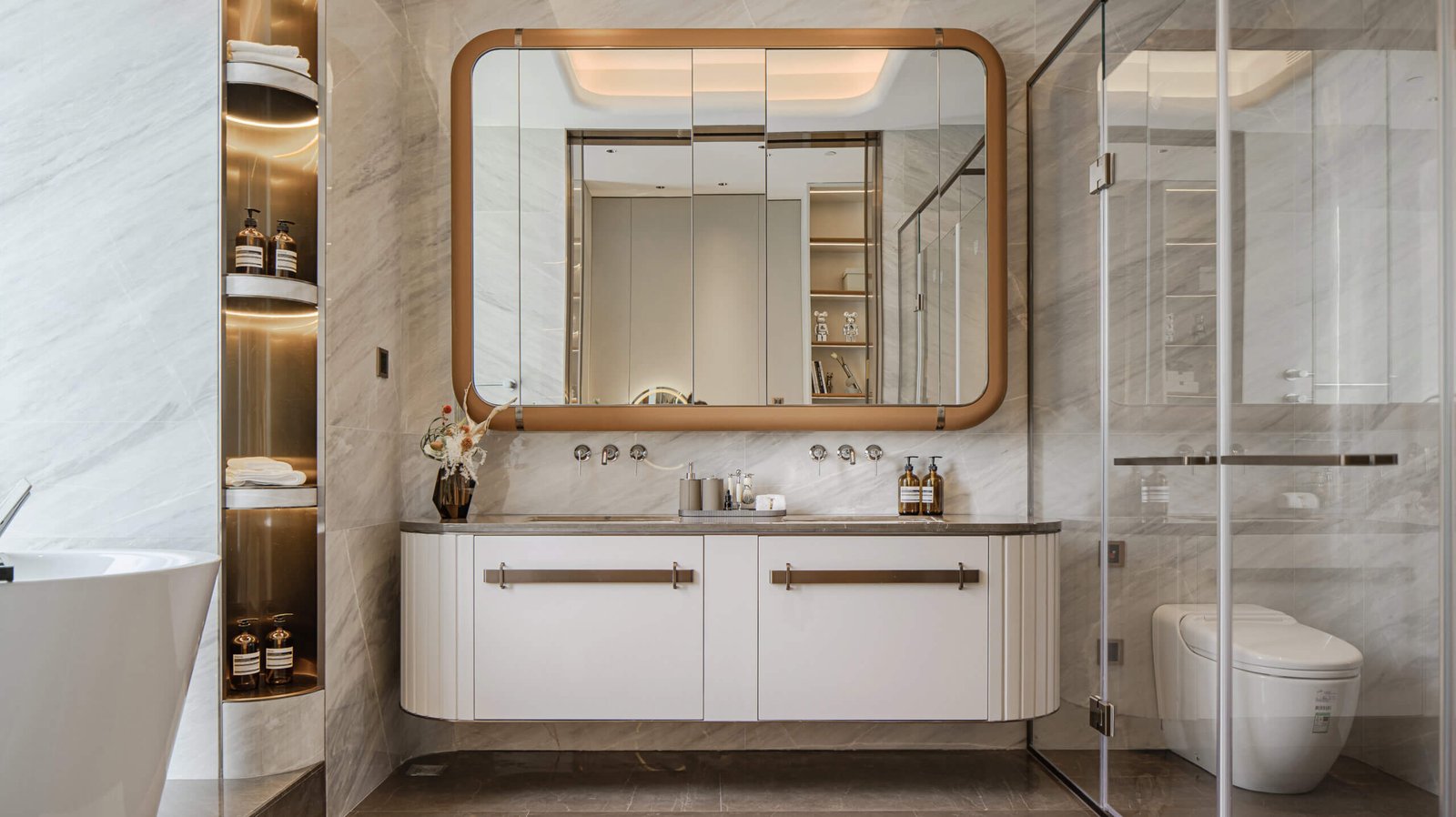
Marble can be chosen for bay window sills, decorative walls, and bathroom countertops. Its rock is softer than granite, comes in a variety of colors, and has more beautiful textures. For bay windows, lighter colors are often chosen to create a warm and tranquil atmosphere and visually expand the window sill area.
Travertine marble, available in beige and white, is a good choice for decorative walls, offering a sophisticated and simple look.