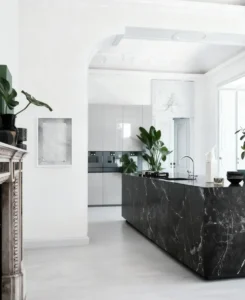
Navigating the world of natural stone procurement often feels like stepping into a high-stakes auction where the rules aren’t written down anywhere. For anyone looking to secure the most competitive Marble Slab Prices, the journey usually starts long before the first quote arrives. It’s about understanding that stone isn’t just a commodity—it’s a geological fragment with a price tag influenced by everything from fuel costs in Italy to the humidity levels in a polishing shed. One might find that getting a “good deal” isn’t always about the lowest number on the paper, but about the value extracted from the manufacturer’s operational efficiency.
The Hidden Factors Influencing Marble Slab Prices
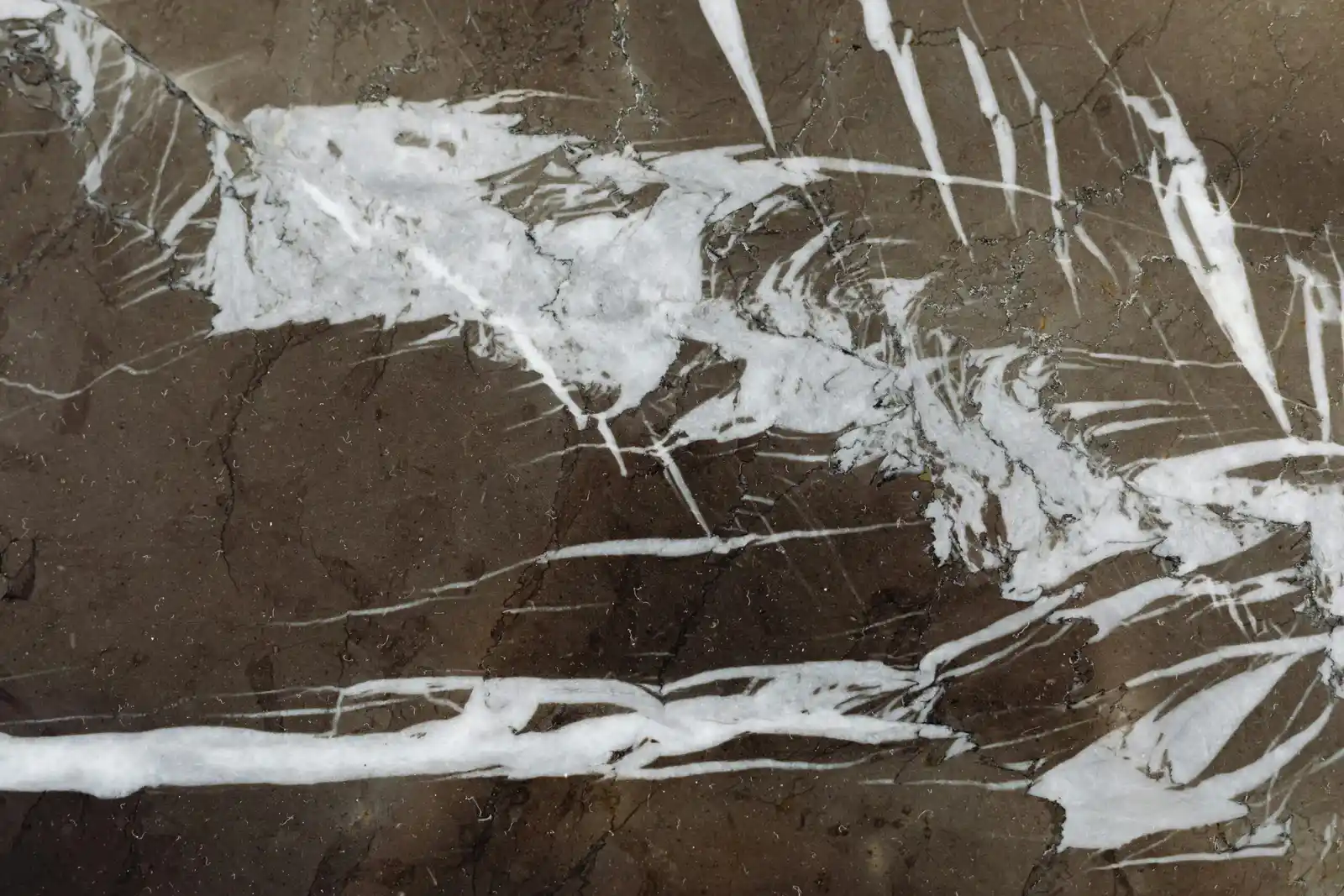
When walking through a massive slab yard, it’s easy to assume that the price is simply based on how pretty the stone looks. While aesthetics (the “face” of the stone) matter, the underlying Marble Slab Prices are dictated by the yield of the quarry and the waste generated during the gang-saw process. Manufacturers are essentially playing a game of probability—trying to get the most usable square footage out of a 20-ton block that might have a hidden crack right through the middle.
Why Material Selection Matters
The type of marble you choose acts as the baseline for your negotiation. Some stones are just naturally more temperamental than others.
- White Marble Slabs: Generally sit at the higher end of the spectrum due to global demand and the rarity of “pure” white backgrounds.
- Grey Marble Slabs: Often offer a more balanced middle ground. They are widely available and currently very trendy for commercial flooring.
- Green Marble Slabs: Usually sourced from specific regions like India or Greece; their pricing can fluctuate wildly based on shipping lanes and regional mining taxes.
Timing and Volume: The Professional’s Edge
One observation frequently shared among seasoned buyers is that Marble Slab Prices are surprisingly seasonal. Manufacturers have production quotas and warehouse space constraints. If a factory is sitting on a high inventory of 1.8cm slabs and they need to make room for a new shipment of blocks, they are far more likely to entertain a “bundle price” that would be laughed at during peak construction season.
Bulk Ordering vs. Just-in-Time
| Purchase Strategy | Cost Impact | Risk Factor |
|---|---|---|
| Single Slab Purchase | Highest (Retail-style) | Low (Exact selection) |
| Full Bundle (8-12 slabs) | Moderate Discount | Medium (Natural variation) |
| Container Load (Standard 20ft) | Best Marble Slab Prices | High (Logistics & storage) |
| Project-Specific Cuts | Variable | High (Waste management) |
The "B-Grade" Opportunity
Sometimes, a project doesn’t require a flawless, museum-grade surface. If you are doing a large-scale project where the stone will be cut into smaller tiles or used in less visible areas, asking for “commercial grade” or “B-grade” stock can slash your costs. It’s the same stone, just with more natural character (or what the industry calls “blemishes”) that a manufacturer is often desperate to move.
Technical Specifications That Protect Your Margin
One doesn’t simply ask for the “cheapest” stone. If you want the best Marble Slab Prices, you need to speak the manufacturer’s language regarding technical finish. Polishing is labor-intensive. If your project can utilize a “honed” finish (which is smoother and less reflective), you might find some wiggle room in the labor cost.
Before finalizing a large order, always ask for a high-definition video of the specific bundle. Photos can hide “webbing” or surface dullness. A manufacturer who is willing to move the camera across the surface under bright lights is one that is confident in their pricing-to-quality ratio. This is especially true for White Marble Slabs, where yellowing can be hidden by poor-quality digital filters.
Summary: Securing Long-Term Value
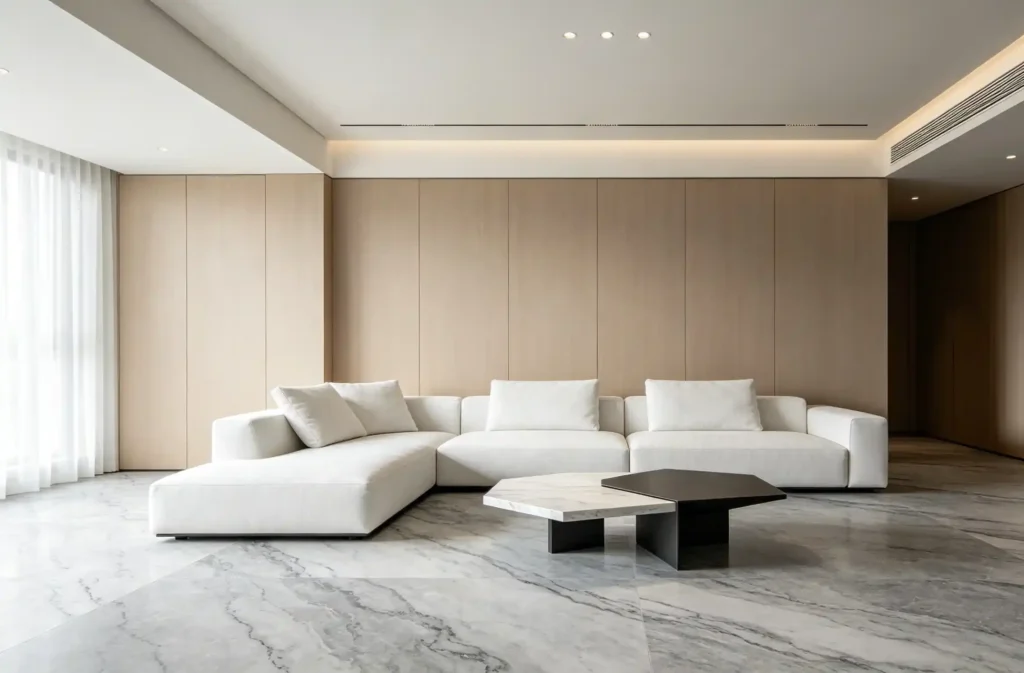
At the end of the day, getting the best Marble Slab Prices from a manufacturer is a blend of volume commitment and technical knowledge. Whether you are sourcing the cool tones of Grey Marble Slabs or the deep, forest hues of Green Marble Slabs, the goal is to find a supplier whose operational waste is low, so their savings become your savings. Price is what you pay, but value is what you get when the stone is finally installed and looks exactly like the initial vision without breaking the bank.If you want to know more, you can read Marble Slab Prices: What Affects the Cost.
FAQ
Does the thickness of the stone significantly alter Marble Slab Prices?
Absolutely. Most of the global market has moved toward 1.8cm or 2cm as a standard. If you request a 3cm slab, the price doesn’t just go up by 50%—it often doubles because it requires different cutting speeds and increases shipping weight significantly, reducing the number of slabs per container.
How do I know if the quoted Marble Slab Prices are fair for the current market?
The best way is to track the price of a “benchmark” stone, like a standard Carrara or a common Grey Marble. If those prices are rising due to fuel surcharges or quarry closures, you can expect your specific stone to follow suit. Always ask for a quote validity period (usually 15-30 days) to protect yourself from sudden market shifts.
Can I get better deals by choosing "pre-cut" sizes?
Interestingly, yes. Manufacturers often have “off-cuts” from large hotel projects. If your project can adapt to those dimensions, you can often secure premium White Marble Slabs at a fraction of the full-slab price because the manufacturer views that material as “already paid for” by the previous client.