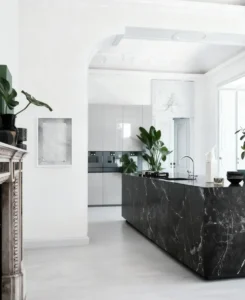
Marble in a bathroom—there’s something about it that just feels different. Not polished in a cold, showroom sort of way, but warm. Grounded. Almost timeless. And yet, ask anyone who’s lived with a marble vanity or a marble-tiled shower floor, and you’ll get a slightly more complicated answer. So is marble for bathroom spaces a smart long‑term decision or an expensive headache waiting to happen? It depends—on expectations, on habits, and perhaps most of all, on how much you’re willing to embrace the stone’s natural quirks.
The Visual Payoff That’s Hard to Replicate
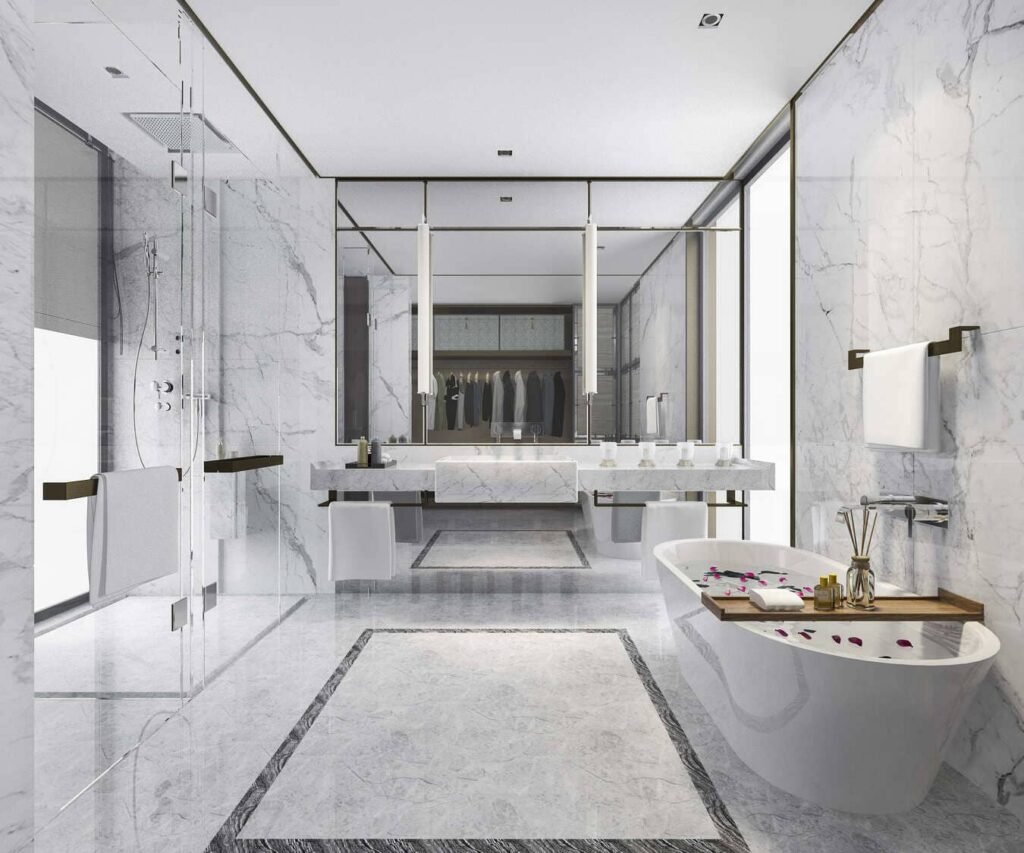
There’s a reason marble has been used in bathrooms for centuries. The soft veining, the subtle shifts in color from one slab to the next—no two pieces are ever exactly alike. And that’s the point. Marble for bathroom vanities, floors, or shower walls brings a depth that engineered materials simply can’t fake convincingly.
Large-format marble tiles, for instance, have become a go-to choice in small bathrooms. Fewer grout lines mean less visual clutter, and the continuous surface actually makes tight spaces feel noticeably larger—some designers estimate up to 15% more perceived width. On the flip side, marble slabs are heavier and require a properly prepared substrate. Walls that aren’t perfectly plumb will demand extra labor, and cutting around shower niches or valve openings inevitably increases waste. Ordering 10–15% overage is usually wise.
What No One Tells You About Using Marble for Bathroom
Marble is softer than people assume. Chemically speaking, it’s calcium carbonate—and that makes it reactive. Leave a few drops of lemon juice or a splash of shampoo on a polished marble surface, and within minutes you may see a dull ring appear. That’s not a stain; that’s etching. And sealing doesn’t stop it. Nothing does, really, because sealing works against liquid absorption, but acid attacks the stone itself.
What sealers do help with: buying time. A high-quality impregnating sealer creates an invisible barrier that slows liquid absorption, giving you a window to wipe spills before they turn into permanent marks. Most marble surfaces in bathrooms need resealing every 6–12 months, depending on usage. Shower marble tends to require more frequent attention than a vanity top.
Daily maintenance, however, is simpler than many people fear. Wipe down surfaces with a soft microfiber cloth and a few drops of mild dish soap in warm water. Dry thoroughly afterward—this prevents mineral deposits from water evaporation. And never, ever use vinegar, bleach, or citrus‑based cleaners.
A Quick Comparison
| Consideration | What to Expect with Marble |
|---|---|
| Visual appeal | Unique veining, natural depth, timeless elegance |
| Durability | Moderate—prone to etching, scratching, staining |
| Maintenance | High—regular sealing (6–12 months), pH‑neutral cleaners only |
| Slip resistance | Polished marble is very slippery when wet; honed or textured finishes improve traction |
| Cost | 12–60 per sq ft for material, plus professional installation |
| Longevity | With proper care, decades—develops a lived‑in patina |
Before a single tile is laid, the substrate matters more than most homeowners realize. Marble is porous and sensitive to movement. A concrete backer board with a bonded waterproof membrane is the standard recommendation for shower floors and wet walls. Plywood alone won’t cut it—expansion and contraction eventually transfer stress to the stone, sometimes causing hairline cracks along natural fissures. Also worth noting: thin-set mortar must be white, not grey, for light‑colored marble. Grey mortar can ghost through translucent stone, leaving a dull, uneven undertone that no amount of sealing will fix. A few contractors skip this detail, and the result is a disappointing surprise months later. Getting the prep work right adds maybe a day to the project but saves years of regret.
The Slipperiness Question
Safety in a wet bathroom is non‑negotiable. And yes, polished marble gets slippery. Really slippery. The solution? Start with a honed finish instead of a polished one. Honed marble has a matte, slightly textured surface that offers much better traction underfoot. Some homeowners also apply slip‑resistant sealants, use bath mats with non‑slip backings, or choose smaller marble tiles—more grout lines mean more grip.
Color, Style, and What’s Trending
Classic white marbles like Carrara and Calacatta remain perennial favorites—they brighten small bathrooms, reflect light beautifully, and pair with almost any fixture. But the real shift in bathroom design for 2026–2027 is toward ved‑in paletwarm, lites: sandy beiges, creamy ivories, soft mushroom tones. Designers are moving away from cold grays and embracing marble as a full‑surface statement—floor‑to‑ceiling slabs, bookmatched shower walls, and continuous stone envelopes that feel more like a private spa than a functional room.
For those seeking something a bit more dramatic, dark charcoal marbles like Grigio Carnico Marble offer a strong, contemporary presence. It’s a resilient Italian marble with fine white and grey veining that pairs beautifully with both neutral and rustic color schemes. Similarly, Digarl Grey Marble brings a sophisticated grey palette into modern bathroom layouts, offering depth without overwhelming the space.

The Honest Bottom Line
If you want a bathroom surface that looks pristine and untouched for years without effort, marble probably isn’t the right fit. But if you appreciate natural materials that age gracefully—developing a soft patina, telling a story through small etch marks, requiring a bit of attention—then marble for bathroom spaces can be genuinely rewarding.
It’s not about perfection. It’s about presence.
FAQ
Does marble crack easily in a bathroom environment?
Marble is less prone to cracking than some people assume, but it does have natural fissures and can be brittle during installation. The bigger concern is moisture absorption leading to structural issues over time. Proper sealing and a moisture barrier beneath marble floors are essential. Some manufacturers now offer cast marble panels that are inherently waterproof and require no grouting—though they lack the natural veining of quarried stone.
Can I use marble in a steam shower?
Technically yes—marble can handle steam and heat. But steam accelerates moisture penetration, which means more frequent sealing is necessary. Steam also tends to react with any iron content in the stone, potentially causing yellowing in white marbles over time. Many designers recommend using marble on walls rather than floors in steam showers, and always with a honed finish for better grip. If you’re set on marble, a darker variety typically shows less discoloration.
What’s the best way to remove hair dye or makeup from marble?
Immediately blot (never rub) the spill with a dry cloth. Hair dye is particularly aggressive because it contains ammonia and peroxide. Apply a poultice—baking soda mixed with a few drops of hydrogen peroxide to form a peanut‑butter‑like paste. Spread it over the stain, cover with plastic wrap, tape the edges, and leave for 24–48 hours. The paste draws the stain out slowly. After removal, clean with a pH‑neutral stone cleaner and reseal the area. For very stubborn or large stains, professional restoration is usually the safer route.