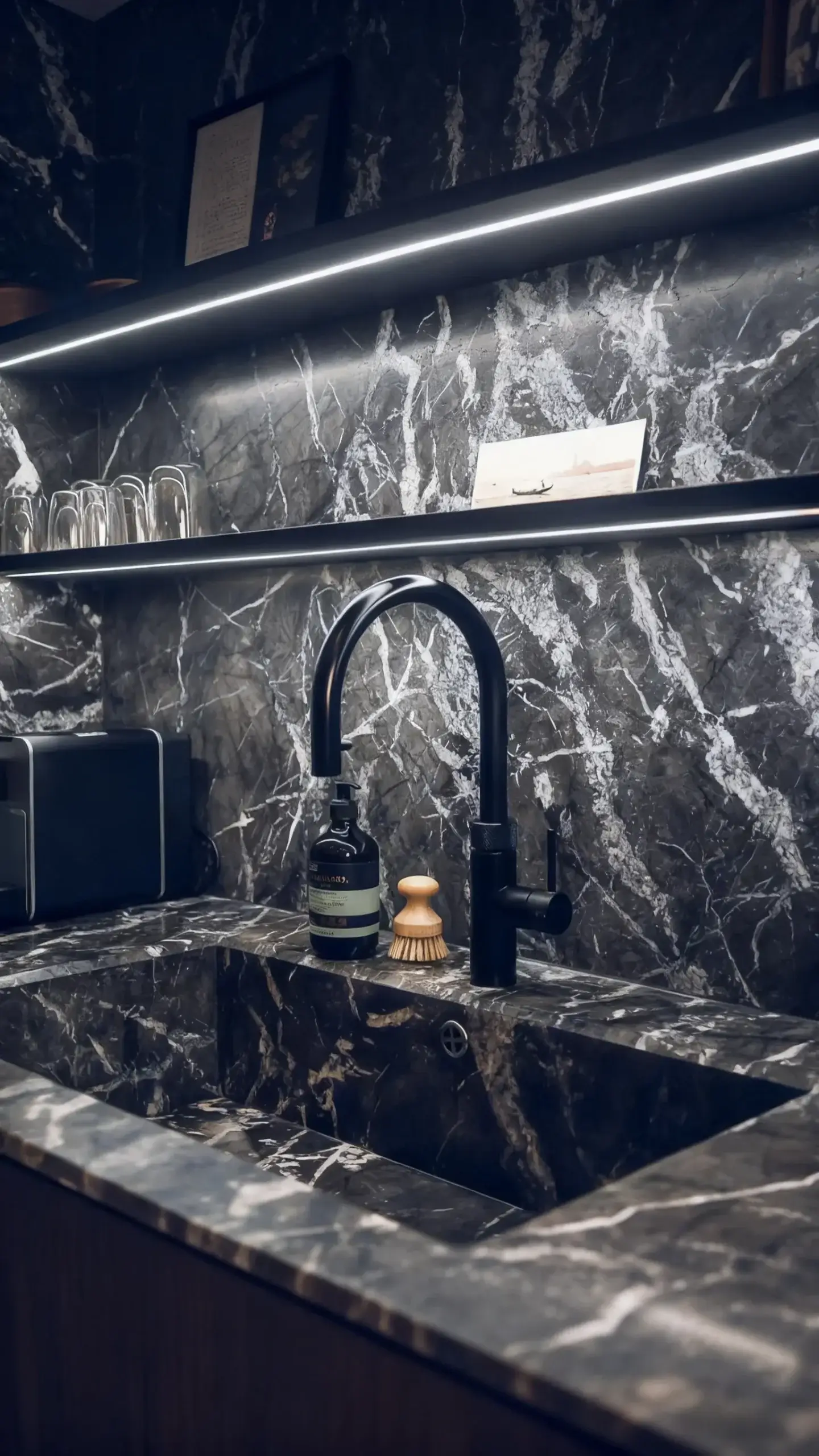
Grey marble has become a go-to choice for homeowners and designers seeking a kitchen that feels both luxurious and grounded. It offers a sophisticated alternative to the classic white marble, bringing a sense of calm and modern elegance to the heart of the home. But is it the right choice for your kitchen? This guide explores the real-world pros, cons, and practical care tips to help you decide.
The Appeal of Grey Marble: Pros for Your Kitchen
Grey marble’s popularity isn’t just a trend; it’s rooted in tangible benefits that make it a compelling choice.
1. A Calm and Versatile Aesthetic
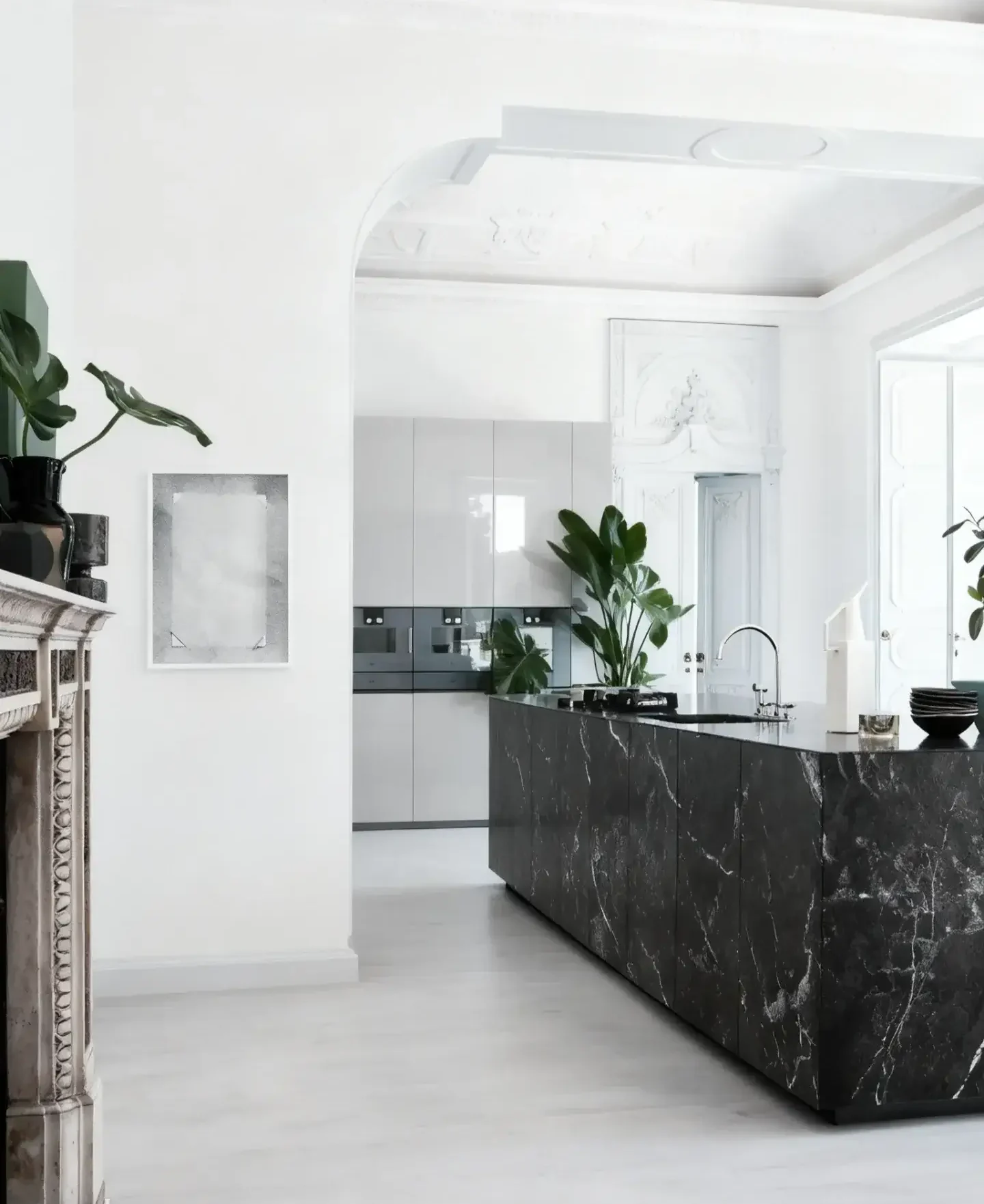
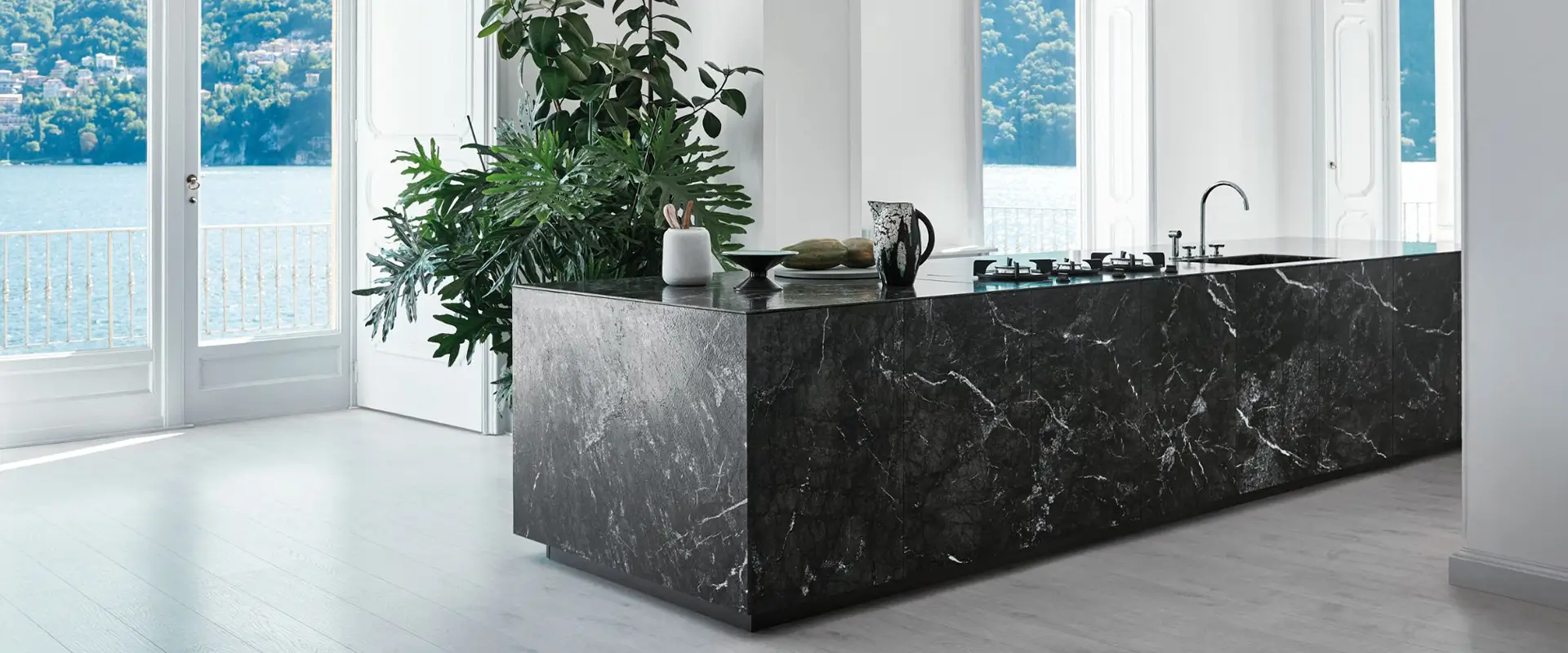
Grey marble offers a serene and sophisticated palette that works seamlessly with a wide range of design styles. Its neutral tone creates a calming atmosphere in a space that can often feel busy . Whether your kitchen is modern minimalist, rustic, or classic, grey marble provides a timeless backdrop. It pairs beautifully with crisp white cabinetry for a clean look, adds a layer of sophistication with dark wood, or creates a striking contrast with warm wood accents and sleek stainless steel appliances .
2. Elegant and Unique Natural Veining
Each slab of grey marble is a one-of-a-kind piece of art, showcasing nature’s artistry through delicate white, charcoal, or even subtle gold veins . Unlike the uniform look of engineered quartz, marble offers an organic, unaltered beauty that cannot be replicated . This inherent variation ensures your kitchen countertop is truly unique.
3. A “Dirt-Hiding” Advantage Over White Marble
While all marble requires care, grey marble has a subtle practical advantage. It tends to visually hide minor smudges, crumbs, and small marks better than its pure white counterpart, making it a more forgiving choice for busy kitchens . This allows you to enjoy a natural stone surface without constantly worrying about every speck of dust.
4. Heat Resistance
As a natural stone, marble has excellent heat resistance properties, making it a reliable surface for cooking . However, “resistant” is not the same as “indestructible,” and direct, prolonged contact with very hot pots and pans should still be avoided to prevent thermal shock or damage.
The Reality Check: Cons of Grey Marble
Before you fall in love with a slab, it’s crucial to understand the commitment that comes with owning a marble countertop.
1. Porosity and Staining Risk
Marble is a porous, calcitic stone. This means it has tiny, natural pores that can absorb liquids . If left unsealed, or if a spill isn’t cleaned up promptly, substances like oil, wine, coffee, and juice can penetrate the surface and leave a lasting stain. Regular sealing is non-negotiable .
2. Etching: The Arch-Enemy of Marble
Perhaps the biggest concern for marble owners is etching. This is a chemical reaction that occurs when acidic substances (like lemon juice, vinegar, tomato sauce, or even some harsh cleaning products) come into contact with the calcium carbonate in the marble . Etching leaves dull, chalky marks on the surface, even if the spill is wiped up quickly. This is a chemical change, not a stain, and cannot be cleaned away with regular cleaners. A honed (matte) finish can help make etches less noticeable than a polished, high-shine finish .
3. Susceptibility to Scratches and Chips
On the Mohs scale of mineral hardness, marble ranks around a 3, making it softer than granite . While durable, it is susceptible to scratches from knives or sharp objects and can chip if heavy items are dropped on it . This is why a cutting board is an absolute must.
Practical Care Tips: How to Protect Your Investment
A grey marble countertop is not a “set it and forget it” surface. However, with consistent, proper care, it can maintain its beauty and last for generations.
Daily and Routine Care
Cleaning: For daily cleaning, use a soft cloth or sponge with warm water and a few drops of mild dish soap or a dedicated pH-neutral stone cleaner . Never use acidic or abrasive cleaners like vinegar, lemon, ammonia, or bleach, as they will dull the surface and cause etching .
Wipe Spills Immediately: This is the golden rule. Blot up spills as soon as they happen, especially acidic ones like wine, coffee, and fruit juice, to prevent them from seeping into the stone .
Use Coasters, Trivets, and Cutting Boards: Always use a cutting board for food prep. Place hot pots, pans, and dishes on trivets or heat pads to avoid thermal shock. Use coasters under glasses to prevent rings from forming .

The Importance of Sealing and Periodic Maintenance
Sealing: Because marble is porous, it must be sealed after installation and periodically thereafter. A high-quality, penetrating sealer creates an invisible barrier that resists stains, giving you precious time to wipe up spills before they can penetrate .
Resealing Schedule: There is no one-size-fits-all schedule. A general rule of thumb is to reseal your countertops every 6 to 12 months . To check if your sealant is still working, sprinkle a few drops of water on the surface. If the water beads up, the seal is intact. If it darkens the stone or soaks in, it’s time to reseal .
Professional Polishing: For deeper scratches, chips, or extensive etching, it’s best to consult a professional stone restorer who can refinish the surface to restore its original beauty .

Final Verdict: Is Grey Marble Right for You?
Grey marble is an excellent choice for a kitchen countertop if you value natural beauty, timeless elegance, and a unique aesthetic above all else. Its neutral palette offers unmatched versatility, and its subtle markings make it more forgiving than white marble on a day-to-day basis.
However, it demands a significant commitment to care. If you are looking for a low-maintenance, worry-free surface or have a very busy family kitchen, a harder, less porous stone like granite or an engineered material like quartz might be a more practical choice .
Choosing grey marble is about embracing a living, evolving surface. With the right care—regular sealing, pH-neutral cleaning, and prompt spill management—it will reward you with a stunning and sophisticated centerpiece for your kitchen that will last for decades