Marble is one of nature’s most paradoxical materials—ancient beyond measure, yet defining the polished surfaces of modern luxury. But knowing what marble is matters far less than knowing how to choose it well. Here is what actually separates a good slab from a costly mistake.
Start with geology, not marketing
Not everything sold as “marble” is geologically marble. True marble is metamorphosed limestone, ranked only 3 on the Mohs hardness scale—beautiful but soft. Much of what is labeled marble today is actually dolomite or quartzite, which are harder and more acid-resistant. Neither is “wrong,” but you must know which you are buying. A simple scratch test with a steel knife on a sample tells you a lot: true marble scratches; quartzite resists. An acid test—a drop of lemon juice left for ten minutes—will etch marble but barely touch dolomite or quartzite. Never test on a slab you haven’t purchased; ask for a scrap piece.

Look past the surface shine
A mirror-like polish does not guarantee quality. Some suppliers use wax, oil, or even a thin film to boost gloss on inferior slabs. The tell is in the edges and the back: wax residue leaves an oily sheen, and heat from a lighter will melt it away to reveal the duller truth underneath. Run your hand across the surface—if it feels slick in patches rather than uniformly smooth, be suspicious.
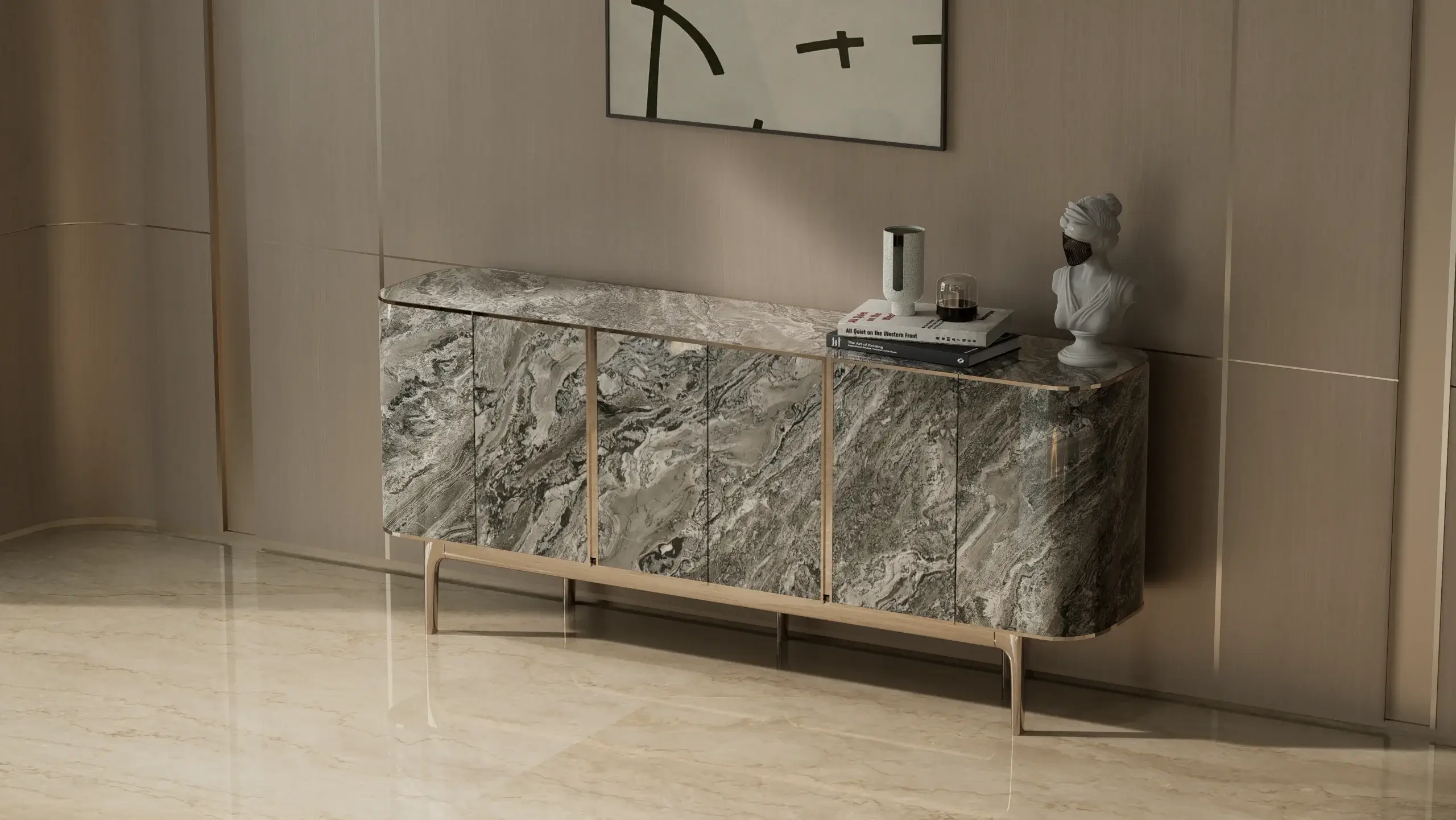
Inspect the actual slab, not the sample
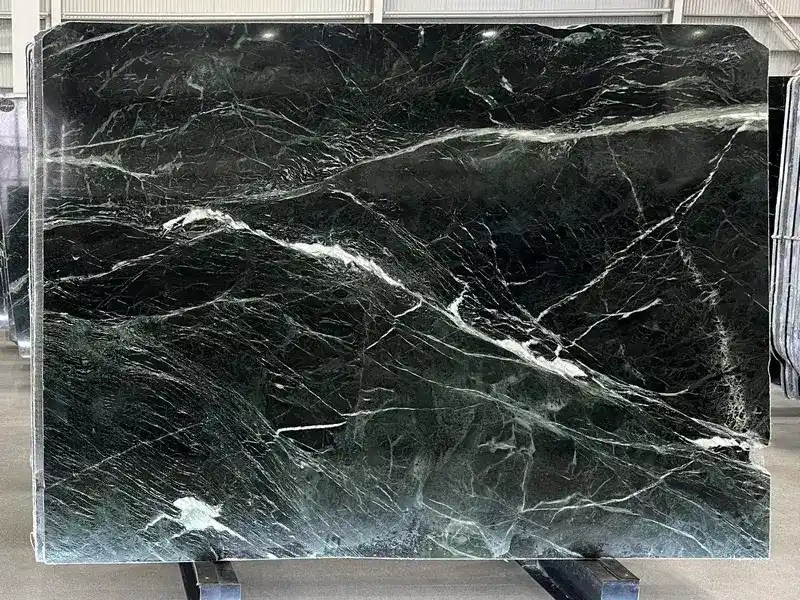
Small samples lie. Veining density, color consistency, and the location of flaws only reveal themselves on a full slab. Ask the yard to pull the slab out and let you see the entire face. Step back several meters; step close again. Check for hairline cracks, resin-filled pits, and patches of inconsistent color. Pay special attention to the slabs buried in the middle or bottom of the bundle—the top slabs are often the best, and unscrupulous sellers count on you not asking to see the rest.
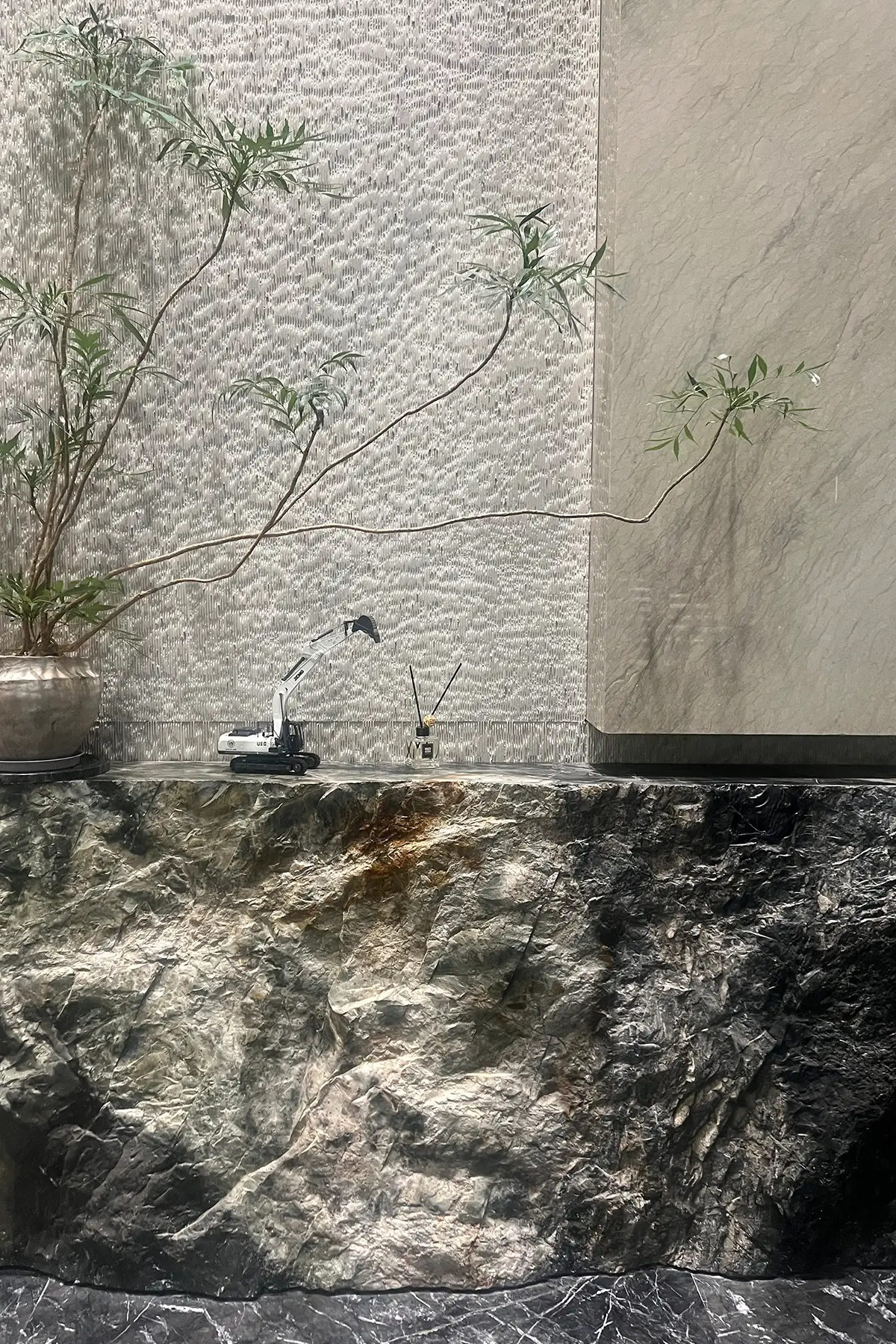
Test porosity yourself
Place a drop of water or ink on the back of the slab. If it sits there, the stone is dense. If it spreads or disappears quickly, the stone is porous and will absorb stains, especially in light-colored varieties. This matters enormously for floors and kitchen surfaces.
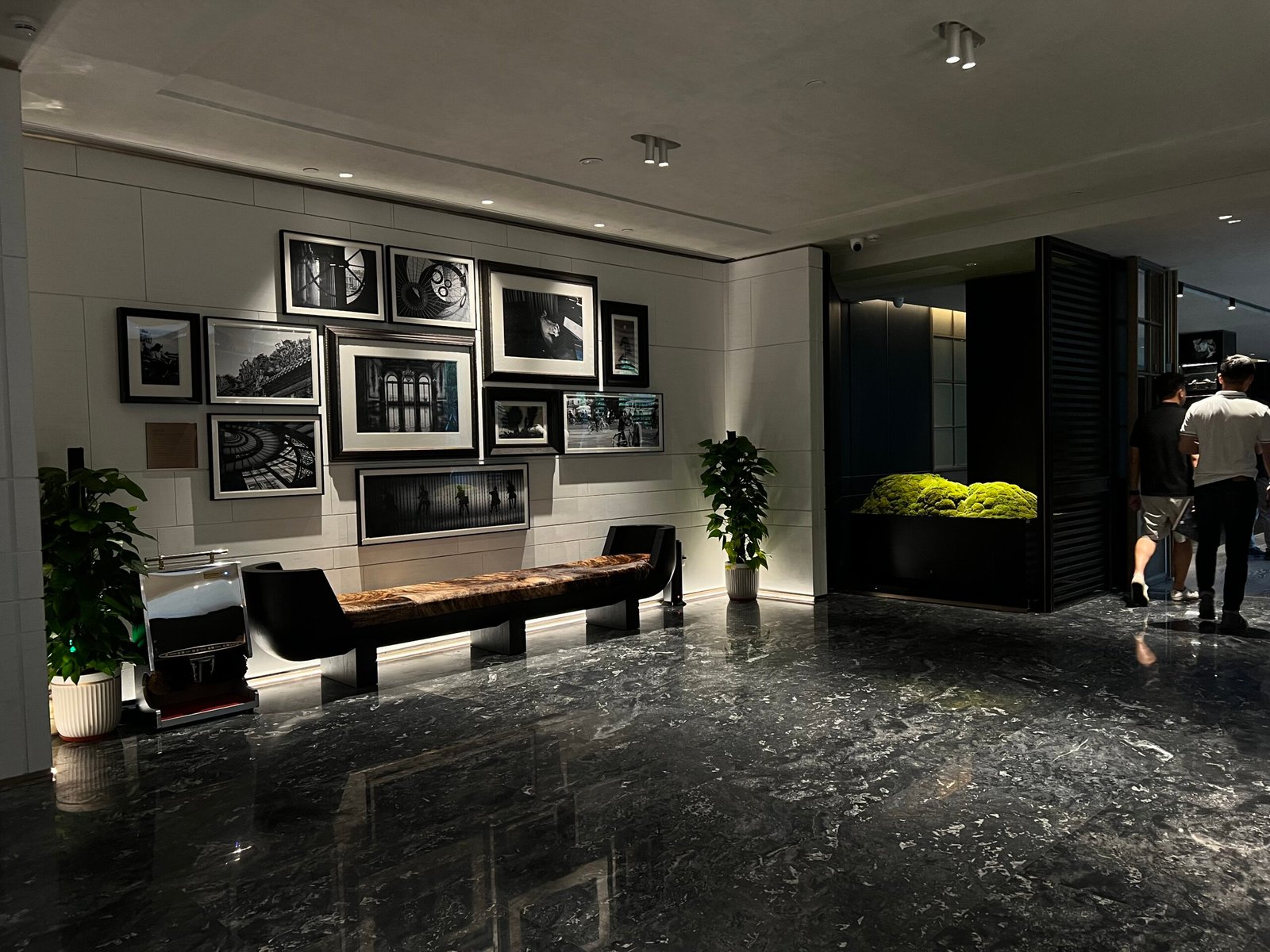
Match the finish to the reality of use
Polished finishes show every etch mark as a dull white ring. Honed finishes hide etching far better because the entire surface is already matte. For kitchen counters, honed or leathered is almost always the wiser choice. For low-traffic walls, polish is fine. And remember: sealant is not optional for marble. It slows absorption but does not make the stone acid-proof.

Ask the uncomfortable questions
Is the quarry actively producing? Can you supply additional slabs from the same block if we need to replace a damaged piece two years from now? A beautiful slab you cannot match later is a liability, not an asset. Ask for the block number and photograph it.
Choose marble with your eyes open, and it will reward you for generations. Choose it carelessly, and every scratch will remind you why.