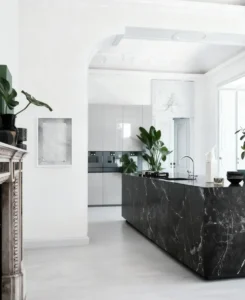
Marble for kitchen countertops has a kind of pull that never really goes away. Even people who know it is not the easiest surface tend to pause when they see the veining, the soft glow, the way it makes a kitchen feel a little more finished, almost architectural. So, is marble good for kitchen countertops? The honest answer is yes — but with a few important caveats that matter a lot in daily life.
For some homes, marble is an excellent choice. For others, it can become a source of constant worry. The difference usually comes down to cooking habits, maintenance tolerance, and how much character is expected from the stone over time. Marble is beautiful, but it is also a working material, and that reality shows up quickly in a busy kitchen.
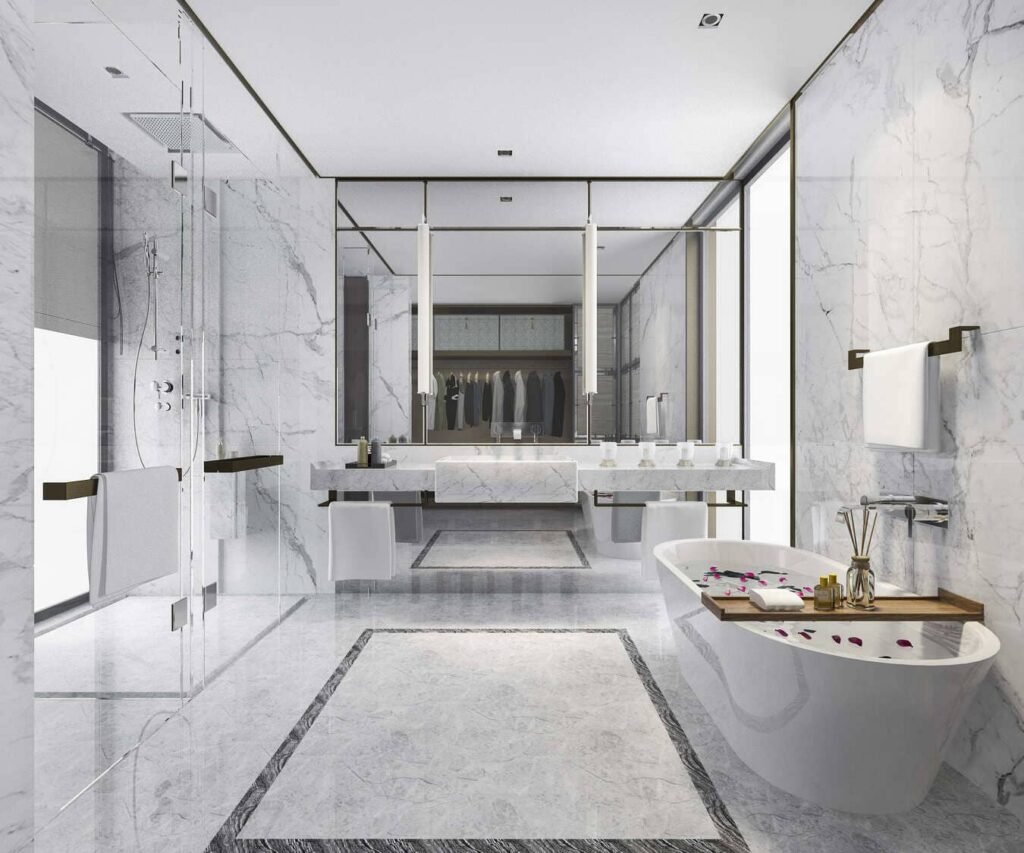
A quick answer: marble can work, but it depends
If the goal is a countertop that looks refined, bright, and naturally elegant, marble for kitchen use is still one of the strongest design choices available. It has a softness that engineered materials often try to imitate, but never quite match.
At the same time, marble is a calcium-based stone, which means it reacts to acids. Lemon juice, vinegar, wine, tomato sauce, and even some cleaners can leave marks or dull spots known as etching. That is not necessarily damage in the dramatic sense, but it does change the surface. And once that starts happening, it becomes part of the stone’s story.
This is why marble tends to suit people who are comfortable with a lived-in look. Not messy, exactly — just not overly precious.
Why marble is still so appealing in kitchen design
Natural veining and unique character
No two slabs are identical. That is a big part of the appeal. Marble brings movement and personality into a kitchen without needing much else around it. Some slabs are dramatic, with bold gray ribbons and strong contrast. Others are quiet and creamy, almost understated.
That variation is one reason marble for kitchen spaces works across so many design styles. It does not need to be flashy to feel luxurious.
A bright, timeless look
White and light marble surfaces reflect light beautifully, which can make a kitchen feel larger and cleaner. In smaller rooms, that visual lift matters more than many people expect. In larger kitchens, marble helps connect the counters, backsplash, and cabinetry into one calm composition.
There is also something slightly old-world about marble that remains attractive even in modern spaces. It feels current without looking trendy, which is harder to achieve than it sounds.
Works with many cabinet styles
Marble can lean classic, minimalist, or dramatic depending on what it is paired with. It usually plays well with:
- warm wood cabinets
- painted shaker styles
- matte black fixtures
- brushed brass accents
- open shelving and simple lines
That flexibility helps explain why marble for kitchen countertops keeps showing up in both traditional renovations and newer contemporary builds.

The main drawbacks homeowners should know
Porosity and staining risk
Marble is porous, which means liquids can penetrate if they sit too long. Oils are especially tricky because they can leave darker patches that are hard to remove completely. Even water can sometimes leave marks if the stone is very light or unsealed.
A well-sealed marble countertop is more protected, but sealing is not a permanent shield. It slows absorption; it does not make the surface invincible.
Etching from acids
This is probably the biggest surprise for first-time marble owners. Acidic ingredients can dull the polish and leave pale spots that look almost like fingerprints in the finish. These etches can appear fast, sometimes after only a few minutes of contact.
For a kitchen that sees lots of citrus prep, salad dressings, pickling, sauces, or frequent wine use, marble asks for more discipline than many people expect.
Scratches and wear
Marble is softer than granite and many quartz surfaces. Knife work directly on the stone is not a good idea, and even dragging appliances or heavy pans across it can leave wear over time.
This does not mean marble is fragile in the delicate sense. It is more that it records usage more visibly than some other materials. For some owners, that is part of the charm. For others, it becomes a constant irritation.
Marble vs other countertop materials
Here is a simple comparison to help put marble in context:
| Material | Beauty | Durability | Maintenance | Best For |
|---|---|---|---|---|
| Marble | Very high | Moderate to low | Higher | Elegant kitchens, light prep use |
| Quartz | High | High | Low | Busy family kitchens |
| Granite | High | High | Moderate | General cooking use |
| Porcelain | High | High | Low | Modern kitchens, easy care |
Marble stands out for appearance. Quartz usually wins on convenience. Granite offers a stronger balance for many households. Porcelain has grown popular because it resists heat and stains well, though some people still prefer the depth and natural feel of stone.
So the question is not simply whether marble is “good.” It is whether marble is good for a specific kitchen and a specific lifestyle.
Where marble performs well in the kitchen
Marble tends to work best in spaces that are not under constant heavy use. That can include:
- a kitchen island used mostly for serving or casual prep
- a baking zone where flour, rolling, and pastry work are common
- a secondary counter away from the sink and stove
- homes where cooking is occasional rather than constant
Interestingly, marble is often appreciated by bakers because the cool surface can be helpful for pastry work. That is one of those practical details that seems small at first, then suddenly matters a lot.
For homeowners who want marble but worry about maintenance, using it selectively can be a smart compromise. A full kitchen in marble is beautiful, but an island or splash zone can deliver much of the visual effect with less risk.
Best marble types for kitchen countertops
Not every marble behaves the same way visually. Some are more forgiving than others, depending on the color and pattern.
Lighter marbles
White and soft gray marbles create that classic polished look. They show etching more obviously, but they also deliver the crisp, clean aesthetic many people want in a kitchen.
Darker marbles
Darker varieties can sometimes be more forgiving in day-to-day use, especially when it comes to small stains or light wear. They also bring more depth to a kitchen and can look especially good with warm cabinetry.
If the goal is a more distinctive stone, options like Grigio Carnico Marble offer rich gray movement with a refined look that feels less delicate than pale white stone. For something bolder and more unusual, amazon green marble brings a dramatic natural character that can turn a countertop into a design feature rather than just a surface.
Those stones are not automatically “better,” but they do show how varied marble for kitchen projects can be.

How to care for marble countertops in daily use
The care routine does not need to be complicated, but it does need to be consistent.
- Wipe spills quickly, especially anything acidic or oily.
- Use cutting boards instead of slicing directly on the stone.
- Place trivets or hot pads under pans and small appliances.
- Clean with a pH-neutral stone cleaner, not vinegar or bleach.
- Reseal when water no longer beads on the surface.
- Avoid leaving wet glasses, citrus, or sauce containers sitting for long periods.
Some homeowners find this routine easy enough. Others feel like they are babysitting the counter. That reaction is worth listening to, because it usually predicts long-term satisfaction pretty well.
Is marble a good choice for your kitchen?
Marble is a good countertop material when beauty matters more than perfect practicality. It suits people who enjoy natural materials, accept a little patina, and do not mind adjusting habits around the surface.
It is probably a less ideal choice if the kitchen is a daily high-traffic work zone with heavy cooking, frequent spills, and little patience for marks. In those cases, a more forgiving material may be the calmer decision.
A simple rule of thumb:
- choose marble if design and natural character come first
- choose quartz or granite if low maintenance is the priority
- use marble selectively if the look is loved but the upkeep feels risky
For more kitchen-focused stone options, explore Marble for Kitchen for additional styles and applications.
FAQ
Does marble need to be sealed often?
Not always on a fixed schedule. It depends on the stone, the finish, and how much use the kitchen gets. A quick water-drop test can help show when resealing may be needed.
Can marble countertops handle hot pans?
Brief contact with heat usually will not destroy the stone, but hot pans can still cause stress, dulling, or even cracks in some situations. Trivets remain the safer habit.
Is marble better for islands than full kitchen counters?
Often, yes. Many homeowners like using marble on an island because it creates a visual focal point while limiting exposure to the messiest parts of the kitchen.