In the high-stakes world of stone procurement, the difference between a profitable project and a financial headache often comes down to the initial purchase. Everyone wants that premium look—the sweeping veins, the cool touch of natural stone—but the price tag can be daunting. Navigating the world of Marble Slabs Wholesale isn’t just about finding the lowest number on a quote; it’s about understanding where the “hidden” costs live and how to sidestep them without ending up with a container full of cracked stone. It’s a bit of a game, really, balancing quality against the bottom line.
Understanding the True Drivers of Marble Slabs Wholesale Pricing
When looking at the market, it’s easy to get confused by the massive price swings between two seemingly similar stones. The cost of Marble Slabs isn’t just about the rock itself; it’s about the labor of extraction, the scarcity of the pattern, and the distance it has to travel. Sometimes, a stone is expensive simply because a specific quarry is having a “bad year” with its yield.
To truly drive down costs in Marble Slabs Wholesale, one must look past the surface. Buying during the off-season or looking for “cross-cut” options rather than the more popular “vein-cut” can sometimes shave significant percentages off the total. It’s those little observational shifts that make a difference over time.
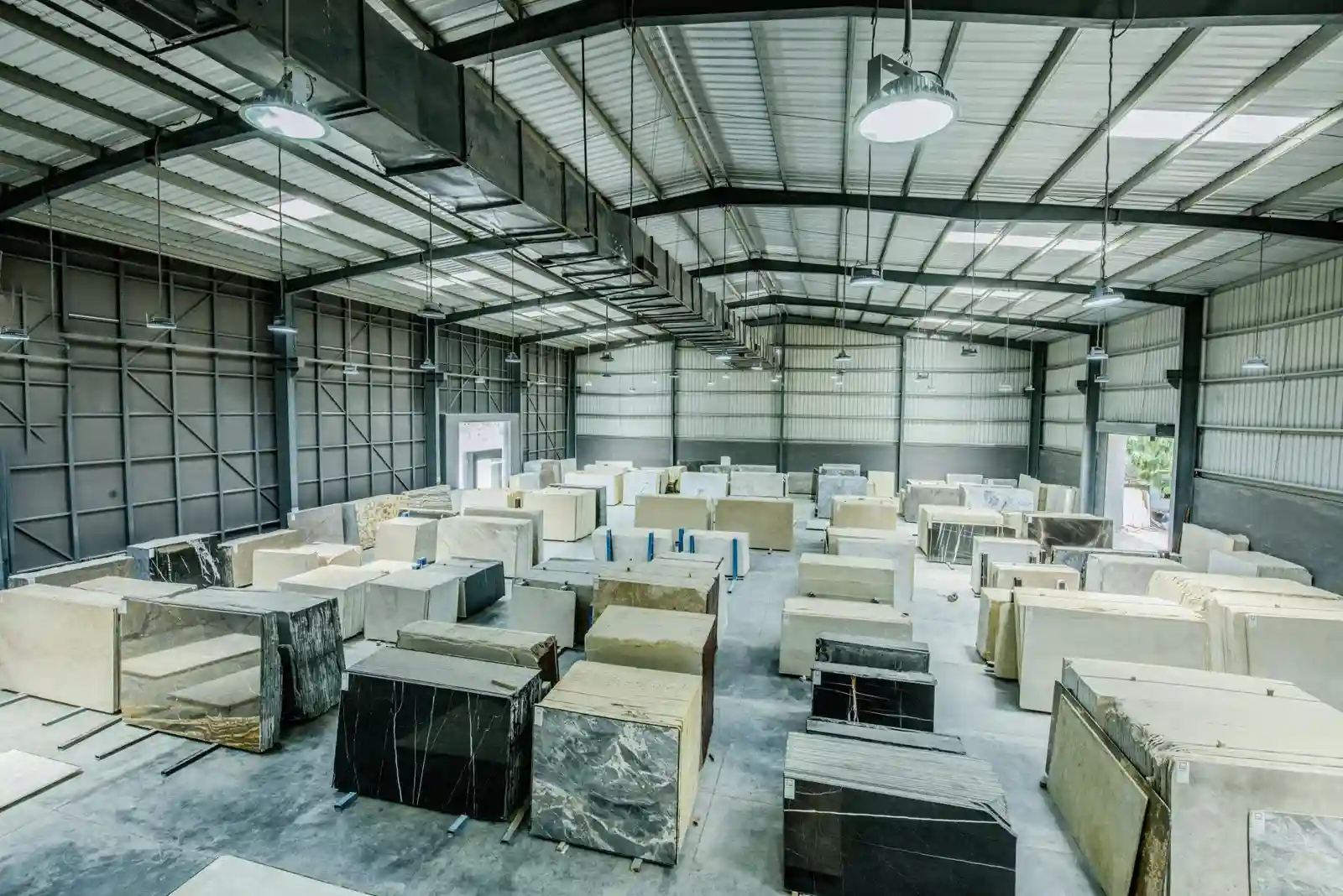
Strategic Sourcing Secrets
- Bundle Buying: Always try to buy by the bundle (typically 7–10 slabs) rather than picking individual pieces. Fragmentation kills the wholesaler’s efficiency, and they charge you for it.
- Direct Quarry Links: Cutting out the third-party showroom is the oldest trick in the book, but it requires a lot of trust in your supplier’s quality control.
- Mixed Containers: If the project allows, mixing high-demand items with more stable, “filler” stones can help balance the shipping weight and cost.
Color Selection and Its Impact on Your Wallet
It is quite fascinating how color trends dictate the economy of stone. Right now, the market is heavily leaning toward neutrals, which ironically makes some of the most beautiful “alternative” colors much more affordable.
The Rise of Grey and Green
For instance, Grey Marble Slabs have become the industry workhorse. Because they are produced in such high volumes now to meet modern architectural demands, the logistics for “Grey” are often more streamlined than for rare exotics. You get a high-end, sophisticated look, but because the supply chain for Grey Marble Slabs is so robust, the wholesale price stays relatively competitive.
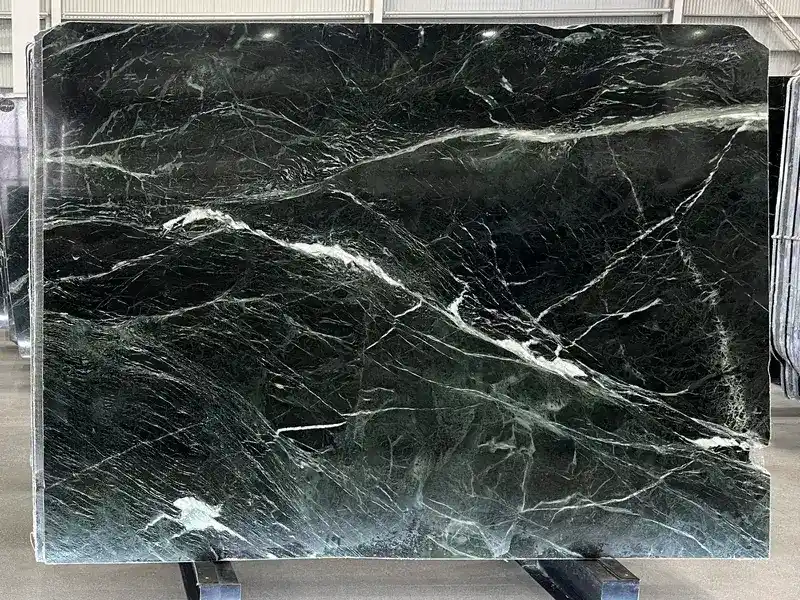
On the other hand, for those looking to make a statement while keeping an eye on the budget, Green Marble Slabs offer a unique opportunity. While some “Forest Greens” or “Jade” varieties are considered luxury, there are many varieties of Green Marble Slabs that are incredibly durable and surprisingly cost-effective because they aren’t as “trendy” as white or gold marbles at this exact moment. Smart buyers often pivot to these less-saturated markets to find hidden gems.
Evaluating Logistics and Waste Management
You can find the cheapest Marble Slabs Wholesale deal in the world, but if 20% of the material arrives broken or the “yield” during cutting is poor, you’ve actually lost money. Waste is the silent killer of stone budgets.
| Cost Factor | Impact on Budget | How to Optimize |
|---|---|---|
| Slab Size | High | Choose sizes that match your typical "cut-list" to minimize offcuts. |
| Shipping Distance | Medium | Source from hubs with established shipping lanes to reduce "dead freight" costs. |
| Surface Finish | Low to Medium | Polished is standard; custom "leathered" or "honed" finishes add cost. |
| Thickness (2cm vs 3cm) | High | Use 2cm with laminated edges for a "thick" look at a lower material cost. |
The "Hidden" Cost of Quality Control
It might seem counter-intuitive to spend money on a third-party inspector, but in the Marble Slabs Wholesale trade, it’s a cost-saver. An inspector who catches a massive fissure in a bundle before it gets loaded onto a ship saves you thousands in freight and replacement time. It’s those parenthetical “just in case” expenses that actually protect your margins.
Negotiation and Relationship Building
The stone industry is still very much a “handshake” business. Establishing a long-term rapport with Marble Slabs Wholesale suppliers usually leads to better “first-pick” access and more flexible payment terms. Sometimes, if a supplier knows you are a consistent buyer, they will offer you “clearance” lots of Marble Slabs that have slight tonal variations—perfect for projects where the stone is being used in smaller, non-adjacent sections.
- Ask for “Commercial Grade”: If the project is for a large floor where nature’s “imperfections” are welcomed, commercial grade is significantly cheaper than “Extra” or “First Choice” grades.
- Consolidate Shipments: Never ship a half-empty container. The freight cost for 10 slabs is almost the same as for 50.
- Standardize Your Specs: Custom thicknesses or unusual slab dimensions always carry a premium. Stick to industry standards whenever possible.
Conclusion: Balancing Elegance with Economics
Reducing costs in the Marble Slabs Wholesale market is rarely about finding the absolute lowest price per square foot. Instead, it’s a strategic dance between logistics, material selection, and timing. As we’ve observed, opting for high-supply options like Grey Marble Slabs or exploring the untapped value in Green Marble Slabs can drastically lower your overhead without sacrificing the architectural integrity of a project.
Ultimately, the most expensive stone is the one that arrives broken or creates too much waste during fabrication. By focusing on bundle integrity, maintaining strong supplier relationships, and keeping a close eye on “hidden” logistics, importers can secure premium Marble Slabs at a fraction of the standard retail cost. Saving money in this industry isn’t about cutting corners—it’s about sharpening your perspective on where the real value lies.If you want to know more, you can read Marble Slabs Wholesale: A Complete Buying Guide for Importers.
FAQ
Can purchasing "B-Grade" Marble Slabs Wholesale actually be a viable strategy?
Yes, but it depends entirely on the application. For high-traffic commercial flooring or rustic-themed residential projects, B-grade material—which might feature more dramatic color variations or small dry veins—adds character at a fraction of the cost. The key is to ensure the stone is structurally sound; aesthetic “flaws” are a bargain, but physical “cracks” are a liability.
How does the "Exchange Rate" affect the long-term cost of Marble Slabs?
Since many of the world’s premier quarries are located in regions like Italy, Turkey, or Brazil, the volatility of the local currency against the dollar can swing your costs by 5-10% overnight. Savory importers often watch these currency trends and “lock in” their Marble Slabs Wholesale orders when the dollar is strong, even if they don’t need the material for another few months.
Is there a benefit to buying pre-cut tiles instead of full Marble Slabs?
If your project consists mainly of standard sizes (like 12×24 or 24×24), buying pre-cut tiles at wholesale is almost always cheaper than buying slabs and paying a local fabricator to cut them. You save on the “labor” of the slab, the waste of the offcuts, and the shipping weight of the material you would have eventually thrown away.