The global demand for high-end stone finishes never seems to hit a ceiling. Whether it is a luxury hotel lobby in Dubai or a minimalist kitchen renovation in London, marble remains the gold standard for elegance. For importers, navigating the world of Marble Slabs Wholesale isn’t just about picking a pretty pattern—it is a complex dance of logistics, quality control, and understanding geological nuances.
Why Sourcing Marble Slabs Wholesale is a Strategic Move
Importing in bulk isn’t just about the lower price per square foot. It is about control. When an importer secures Marble Slabs Wholesale, they are essentially buying the rights to consistency. Natural stone varies wildly; sourcing slab by slab from local distributors often leads to “patchwork” projects where the veining doesn’t line up. By importing directly, businesses can ensure that an entire container originates from the same block, providing that seamless aesthetic high-end clients demand.
The Shift Toward Specific Color Palettes
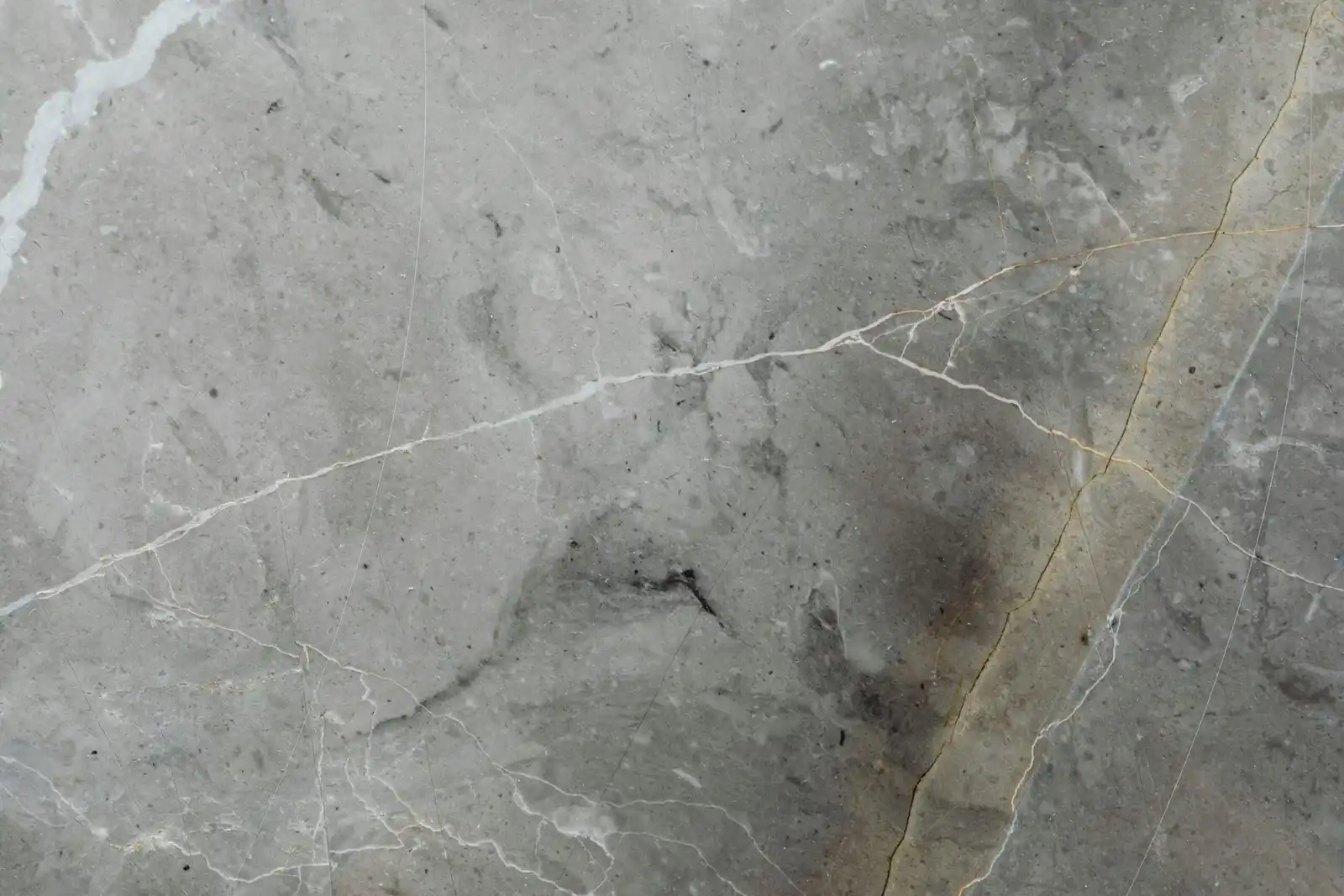
While white marble like Carrara or Calacatta remains timeless, there is a noticeable shift in market trends. Grey Marble Slabs have become the “new neutral” for modern architects. Their ability to hide minor etching while providing a sophisticated, moody backdrop has made them a staple in wholesale inventories.
Key Factors to Consider Before Placing an Order
Success in the stone trade is often decided before the container even leaves the port. It is easy to get distracted by glossy photos, but the technical specs are what determine the profit margin.
Grade and Classification
Marble is usually graded as A, B, or C.
- Grade A: Minimal surface flaws, consistent veining, and high structural integrity.
- Grade B: May have small dry veins or slight color variations.
- Grade C: Requires more reinforcement (like mesh backing) and might have visible repairs.
Finishing Options
When ordering Marble Slabs, the finish dictates the application. Polished finishes are standard for luxury appeal, but “honed” (matte) finishes are increasingly popular for flooring to reduce slip hazards.
Understanding the Logistics of Marble Importation
Shipping stones is, quite literally, heavy lifting. A standard 20-foot container has weight limits that usually restrict the number of slabs. Overloading is a common mistake that leads to hefty fines or, worse, damaged goods.
| Slab Thickness | Average Weight (per m²) | Estimated Slabs per 20GP Container |
|---|---|---|
| 18mm | ~50 kg | 400 - 450 m² |
| 20mm | ~55 kg | 350 - 400 m² |
| 30mm | ~85 kg | 230 - 260 m² |
Sourcing Strategies: Finding the Right Supplier
The “wholesale” tag is used by many, but true wholesalers are often located near the quarries. Whether sourcing from Italy, Turkey, or China, the rapport with the factory manager is often more valuable than the contract itself.
Inspecting the Slabs Remotely
If a physical visit isn’t possible, importers should request:
- High-resolution “Dry Lay” photos: Seeing the slabs laid out on the floor to check for pattern continuity.
- Video of the edges: To check for micro-fissures or “sugaring.”
- Back-netting check: Excessive mesh on the back sometimes hides a fragile stone that might break during fabrication.
The Rise of Grey Marble Slabs in Modern Design
It is worth noting that Grey Marble Slabs like Tundra Grey or Castle Grey are currently dominating the commercial sector. They offer a middle ground between the starkness of white and the heaviness of black stone. For a wholesale importer, keeping a healthy stock of grey tones is a safe bet for the current 2024-2026 design cycle.
Quality Control and Packaging
Marble is brittle. The way it is packed in wooden bundles (often called A-frames) determines if the Marble Slabs arrive as a premium product or as expensive gravel.
- Fumigation: Ensure the wooden crates meet international ISPM-15 standards to avoid customs delays.
- Plastic Film: Every slab should be separated by a thin plastic layer to prevent scratches during the vibrations of sea travel.
- Corner Protection: Extra bracing on the corners of the bundles prevents “chipping,” which is the most common form of transit damage.
Managing Costs Beyond the FOB Price
The price quoted at the factory (FOB) is just the beginning. To maintain a healthy business, importers must calculate the “landed cost.” This includes:
- Ocean Freight: Which can fluctuate wildly based on global oil prices.
- Import Duties: Depending on the country of origin and the destination.
- Local Drayage: Moving the heavy container from the port to your warehouse.
- Warehousing: Marble takes up a lot of space and requires specialized forklifts with “boom” attachments.
Summary for Success
To thrive in the Marble Slabs Wholesale market, one needs a keen eye for detail and a stomach for the risks of international logistics. It is a business of beauty, but it is built on the cold, hard reality of stone density and shipping weights. By focusing on quality grading and staying ahead of color trends—like the surging popularity of Grey Marble Slabs—importers can carve out a very profitable niche in the construction industry.
FAQ
How can I verify the structural integrity of Marble Slabs Wholesale before they are shipped?
Beyond visual inspection, you should ask for a “sound test” where a technician taps the stone to listen for a clear ring (indicating solid stone) versus a dull thud (indicating internal cracks). Additionally, checking the water absorption rate in the technical lab report will tell you how prone the marble is to staining and weather damage.
Are there specific seasonal trends to watch for in the Marble Slabs Wholesale market?
Yes, usually, quarry production slows down during winter months in mountainous regions (like the Carrara region or parts of Turkey) due to snow and safety risks. This often leads to tighter supply and slightly higher prices in early Spring. Smart importers usually lock in their bulk orders in late Autumn to ensure stock for the busy Summer construction season.
Why is the variation in Grey Marble Slabs often higher than in white marble?
Grey marble often contains a complex mix of minerals like graphite or clay, which creates its unique tonality. Because these minerals are deposited inconsistently during the stone’s formation, one block might be “silver,” while the next from the same quarry appears “charcoal.” This makes it vital for importers to buy by the “lot” to ensure color consistency across a project.