Choosing the right source for natural stone can feel like a part-time job. When standing in a dusty stone yard or a gleaming showroom, the question isn’t just about the color or the veining—it’s about who is selling it and why the price varies so much from one gate to the next. Deciding where to buy Marble Slabs often comes down to a trade-off between convenience, price, and the sheer variety of inventory available. Understanding the hierarchy of the supply chain is the first step toward not overpaying for a project.
The Manufacturer: Sourcing from the Source
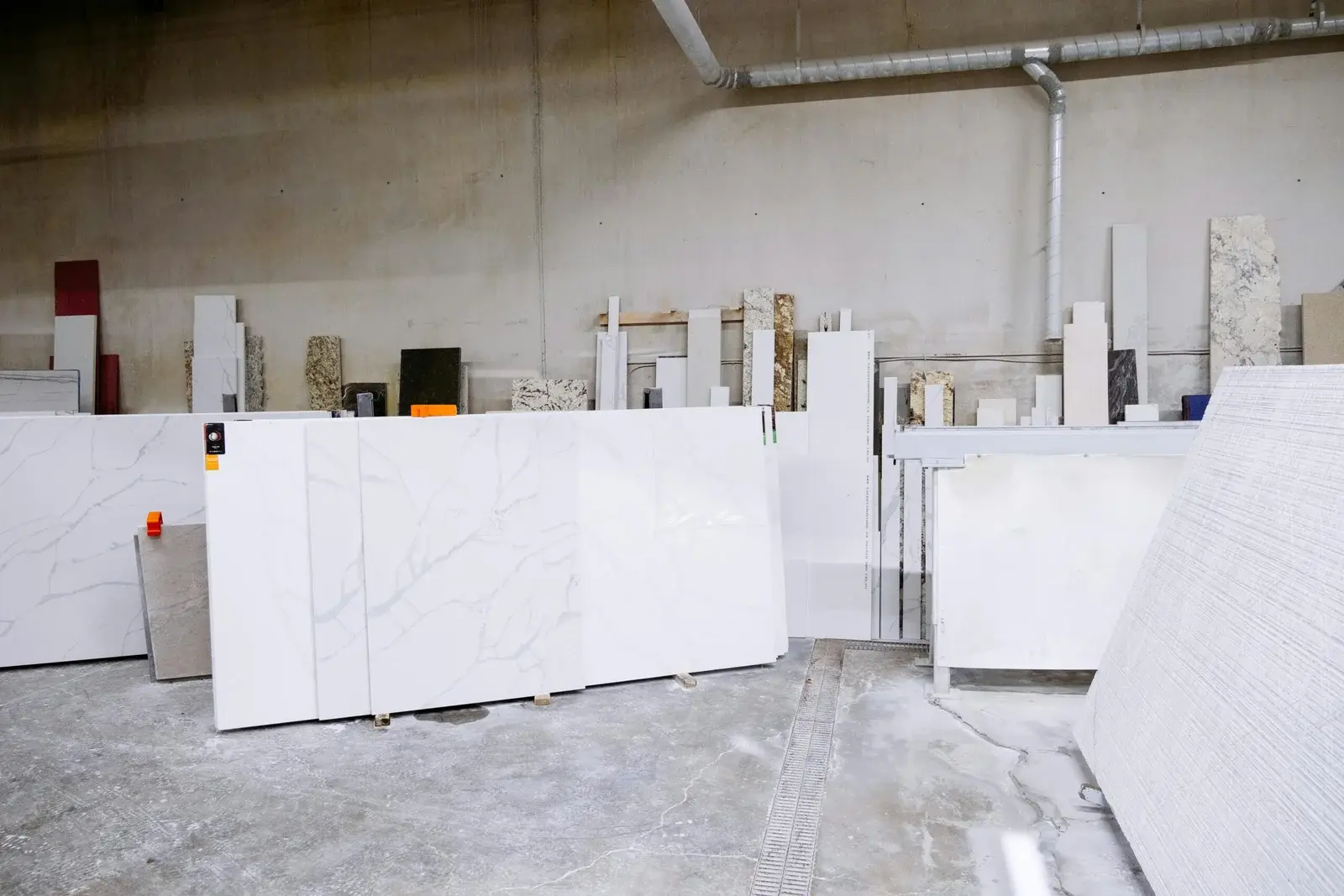
At the very top of the food chain sits the manufacturer. These are the entities that often own the quarry or at least operate the massive gang saws that slice raw blocks into the finished marble slabs for kitchen and luxury interiors we see in high-end kitchens.
Why the Price is Lower
Buying from a manufacturer usually means you are getting the closest thing to “wholesale” pricing. Because they handle the extraction and the initial polishing, there aren’t three different companies adding a markup before the stone reaches the buyer. It’s a lean way to shop, provided the project is large enough to warrant their attention.
The Trade-offs of Going Direct
It’s not all sunshine and low prices, though. Manufacturers often have high “minimum order quantities” (MOQs). They aren’t always set up to sell a single slab for a powder room vanity. Also, their facilities are usually located in industrial zones or near the quarries themselves—hardly the most convenient locations for a casual Saturday afternoon browse.
The Distributor: The Massive Warehouse Hub
Distributors act as the middleman between global manufacturers and local markets. They buy Marble Slabs by the container load from Italy, Turkey, Brazil, and China, then store them in massive, indoor warehouses.
- Variety: A distributor will have hundreds of different stone types under one roof. You can compare a grey marble slabs to a green marble slabs side-by-side.
- Availability: Unlike manufacturers who might be “out of stock” until the next block is quarried, distributors keep a constant buffer of inventory.
- Viewing Experience: Most distributors allow “tagging,” where a buyer can walk through the aisles and literally put their name on the specific slab they want.
Logistics and Handling:Distributors specialize in moving heavy things. They have the overhead cranes and the specialized trucks to get the stone from the port to their warehouse safely. While they add a margin to the price, that margin covers the risk of the stone breaking during ocean transit—a risk that is very real with natural marble.
The Supplier/Showroom: The Local Expert
The term “supplier” is often used interchangeably with “retailer” or “fabricator.” These are the local businesses that most homeowners interact with. They might not own the slabs themselves; instead, they might send you to a distributor’s warehouse to pick out your stone, then they buy it on your behalf to cut and install it.
- Design Guidance: They offer the most “hand-holding.”
- Turnkey Service: They handle the template, the cutting, the polishing of the edges, and the final installation.
- Niche Selection: Sometimes, local suppliers curate a very specific “boutique” collection of luxury stone and Marble Slabs that they know appeal to local architectural tastes.
Comparing the Three Sourcing Options
To help visualize where your money goes and what kind of service to expect, here is a breakdown of the typical characteristics of each source.
| Feature | Manufacturer | Distributor | Local Supplier/Retailer |
|---|---|---|---|
| Price Point | Lowest (Wholesale) | Mid-Range | Highest (Retail/Service) |
| Inventory Depth | Deep (Specific types) | Massive (Global variety) | Limited (Curated) |
| Customer Focus | B2B / Large Projects | Professionals & Homeowners | Homeowners / Small Projects |
| Service Level | Raw Material Only | Viewing & Selection | Full Installation & Design |
| Minimum Order | Usually High | Often Low to Moderate | None (Can buy remnants) |
Which Path Should You Choose for Your Marble Slabs?
The “right” choice depends heavily on the scale of the work. If someone is outfitting a 50-unit luxury condo development, the manufacturer is the only logical choice. The savings on Marble Slabs at that volume would be astronomical.
However, for a single kitchen remodel, a distributor is often the “sweet spot.” It allows for a massive selection without the extreme markups of a boutique showroom, yet still offers a level of accessibility that a quarry-direct manufacturer lacks.
The Subjective Reality of "Quality"
There is a bit of a misconception that manufacturers keep the “best” stone for themselves and sell the “scraps” to distributors. In reality, it’s often the other way around. Distributors are very picky; they know that if they import a container of dull or cracked Marble Slabs, they won’t be able to sell them to local fabricators. So, in many cases, the distributor’s warehouse is actually where the most beautiful, “jewelry-grade” stone ends up.
Hidden Costs to Keep in Mind
Regardless of where the purchase happens, there are always peripheral costs that sneak up on the uninitiated.
Slab Waste and "The Yield"
When buying a full slab, you pay for the whole rectangle. If the kitchen layout is awkward, you might end up with 30% of the stone as “waste” that you still paid for. Manufacturers and distributors usually sell by the slab, whereas some local suppliers might charge “by the square foot” (meaning they absorb the waste and charge you a higher unit price).
Transport and Insurance
Marble is surprisingly brittle. If a distributor delivers a slab and it cracks on the way, it’s their problem. If you arrange your own transport from a manufacturer and it cracks, it’s your problem. That “savings” from buying direct can vanish in a heartbeat if the logistics aren’t handled by pros.
Final Thoughts on Sourcing
At the end of the day, buying stone is an emotional and aesthetic process. While the logic of “cheaper is better” is tempting, the security of seeing the exact piece of earth you are buying cannot be overstated. Whether it’s a manufacturer in Italy or a distributor in New Jersey, the goal is to find a partner who is transparent about the grade of the stone and the total “landed” cost.
FAQ
Can an individual homeowner actually buy directly from a global manufacturer?
Technically, yes, but it is rarely practical. Most global manufacturers require you to have a customs broker, a way to handle port logistics, and a flatbed truck with an A-frame rack. Unless you are buying several containers of Marble Slabs, the administrative costs and shipping headaches usually outweigh the per-slab savings.
Is there a difference in "freshness" between these sources?
It sounds strange to talk about the “freshness” of a 50-million-year-old rock, but in the industry, it refers to how recently the stone was sealed or polished. Slabs sitting in a distributor’s outdoor yard for years can develop “sun-bleaching” or surface oxidation. Manufacturers generally have the “freshest” surfaces, but a reputable distributor will keep their premium stock indoors to avoid this.
What happens if the marble slab I bought from a distributor has a hidden crack?
This is why the relationship between the distributor and your fabricator is so important. Usually, once the fabricator accepts the slab and moves it to their shop, the liability shifts. However, if a “blind” fissure is discovered during the first cut, many distributors will work out a replacement or a discount, whereas a distant manufacturer might be much harder to negotiate with after the sale is finalized.